Song Meaning
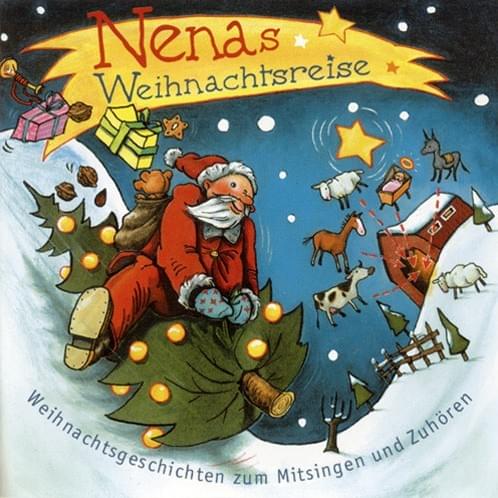
Nena's rendition of "Ihr Kinderlein kommet" isn't just another Christmas carol; it's a study in the psychology of collective joy and the yearning for innocence. The direct translation, "O come, little children," immediately establishes a sense of invitation and communal belonging, tapping into our innate desire to be part of something larger than ourselves. The lyrics paint a vivid picture of the Nativity scene – the manger in Bethlehem, the "heavenly child" wrapped in swaddling clothes – but the true power lies in the emotional accessibility. It's not about religious dogma as much as it is about evoking a shared feeling of wonder and hope, a primal connection to the miracle of new beginnings. Nena’s voice, even when tackling traditional material, carries a certain weight, hinting at a deeper understanding of human vulnerability. It's a sophisticated understanding of how the simplest narratives can unlock profound emotional responses.
The repetition of "kommet" (come) acts as a hypnotic call, pulling the listener into a space of childlike receptivity. This isn't accidental; it's a carefully constructed invitation to shed our adult cynicism and embrace the pure, unadulterated joy associated with the Christmas narrative. The lyrics subtly acknowledge the shepherds, those humble figures who were among the first to witness the miracle. This inclusion speaks to the universal appeal of the story, suggesting that grace and revelation are available to all, regardless of social standing. In essence, the song functions as a psychological reset button, offering a temporary escape from the complexities of adult life and a return to a simpler, more hopeful state of mind.
Ultimately, Nena's take on "Ihr Kinderlein kommet" transcends its surface simplicity. It's a reminder of our capacity for collective emotional experience and the enduring power of narratives that tap into our deepest psychological needs: the need for belonging, the need for hope, and the need to believe in something bigger than ourselves. The song's effectiveness stems from its ability to bypass our intellectual defenses and speak directly to the emotional core, reminding us of the inherent goodness and potential for joy that resides within us all. It’s a call to embrace the childlike wonder that we so often suppress, particularly during the often-stressful holiday season.
 View Artist