Song Meaning
The narrator is grappling with a lover's departure, urging them to leave without protest. There's a palpable sense of wounded pride mixed with a desperate hope for their return. The immediate tone is one of forced acceptance, a stoic facade masking deep-seated hurt and a belief in eventual reconciliation. It's a delicate dance between letting go and holding on.
The core tension lies in the narrator's conditional acceptance of the lover's departure. They permit the exit, even encouraging it, but only with the underlying expectation that the lover will fail in their search for new love and inevitably return. This isn't about genuine release; it's about a strategic waiting game, a belief that the lover's absence will prove their own indispensability. The narrator anticipates a moment of regret for the lover, framing their departure as a "maldade" (wickedness) that will eventually lead back home.
The most striking element is the narrator's planned response upon the lover's return. The lyrics suggest a dramatic reversal: instead of welcoming the prodigal lover back, the narrator intends to reject them, claiming they too have "cansado de esperar" (tired of waiting). This twist transforms the narrative from one of passive suffering to one of active, albeit delayed, retribution. It's a powerful projection of future control, a way to reclaim agency after feeling powerless in the face of abandonment.
This lyrical construction is effective because it taps into a complex emotional arc. It moves from the pain of loss and the plea for the lover to stay (implied by the very act of writing/singing this) to a defiant, almost vengeful, future scenario. The narrator crafts a narrative where their eventual rejection of the returning lover becomes the ultimate act of self-preservation, a way to ensure they are no longer the one left waiting. The power lies in this imagined future where the narrator dictates the terms, finally in control.
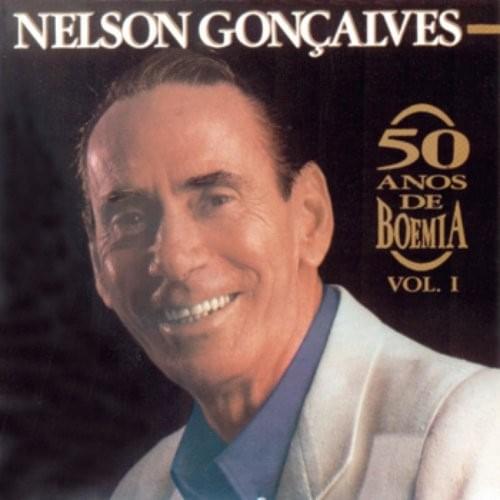
 View Artist