Song Meaning
The lyrics paint a picture of a vibrant samba scene where the narrator first met someone special. The initial encounter is steeped in the rhythm and communal energy of a 'roda de bambas,' a setting that clearly left a lasting impression. The description of 'remexendo as cadeiras / gingando e sambando' evokes a lively, uninhibited atmosphere, suggesting a pure, simple joy in the moment.
However, this idyllic beginning shifts dramatically. The narrator observes a change: the person they met has traded the 'samba' and the 'lua do morro' (moon of the hill) for the 'luz da cidade' (light of the city). This transition implies a move from an authentic, perhaps more grounded or traditional, environment to the allure and superficiality of urban life. The dominant emotional tension lies in this contrast between genuine connection and the seductive, potentially corrupting, influence of the city's glow.
The central metaphor is the 'mariposa' (butterfly), a creature drawn to light. The narrator addresses this 'mariposa' directly, acknowledging its attraction to the 'luz da cidade' and the intoxicating effect it has. The repeated plea, 'segue o teu caminho mariposa,' is tinged with a bittersweet resignation, recognizing the individual's choice while simultaneously issuing a stark warning: 'toda a luz se apaga' (all light eventually goes out). This warning, delivered as a 'aviso derradeiro' (final warning), underscores the transient nature of the city's allure.
What makes these lyrics so poignant is the narrator's gentle yet firm farewell, coupled with a profound, almost prophetic, caution. The use of 'mariposa' as a term of endearment, despite the implied criticism of its choices, reveals a lingering affection or concern. The final lines, emphasizing that even the brightest city lights will fade, serve as a powerful reminder of impermanence, leaving the listener with a sense of melancholy wisdom about the choices we make and the fleeting nature of worldly attractions.
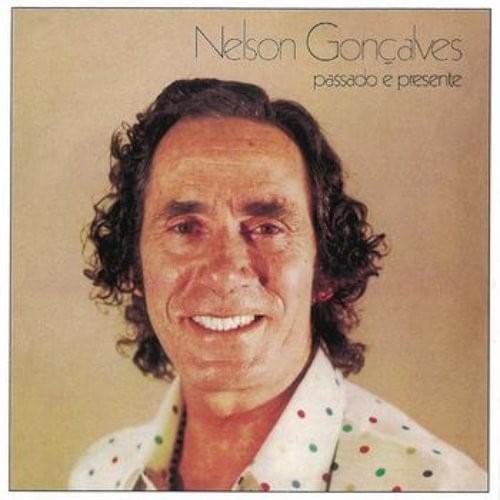
 View Artist