Song Meaning
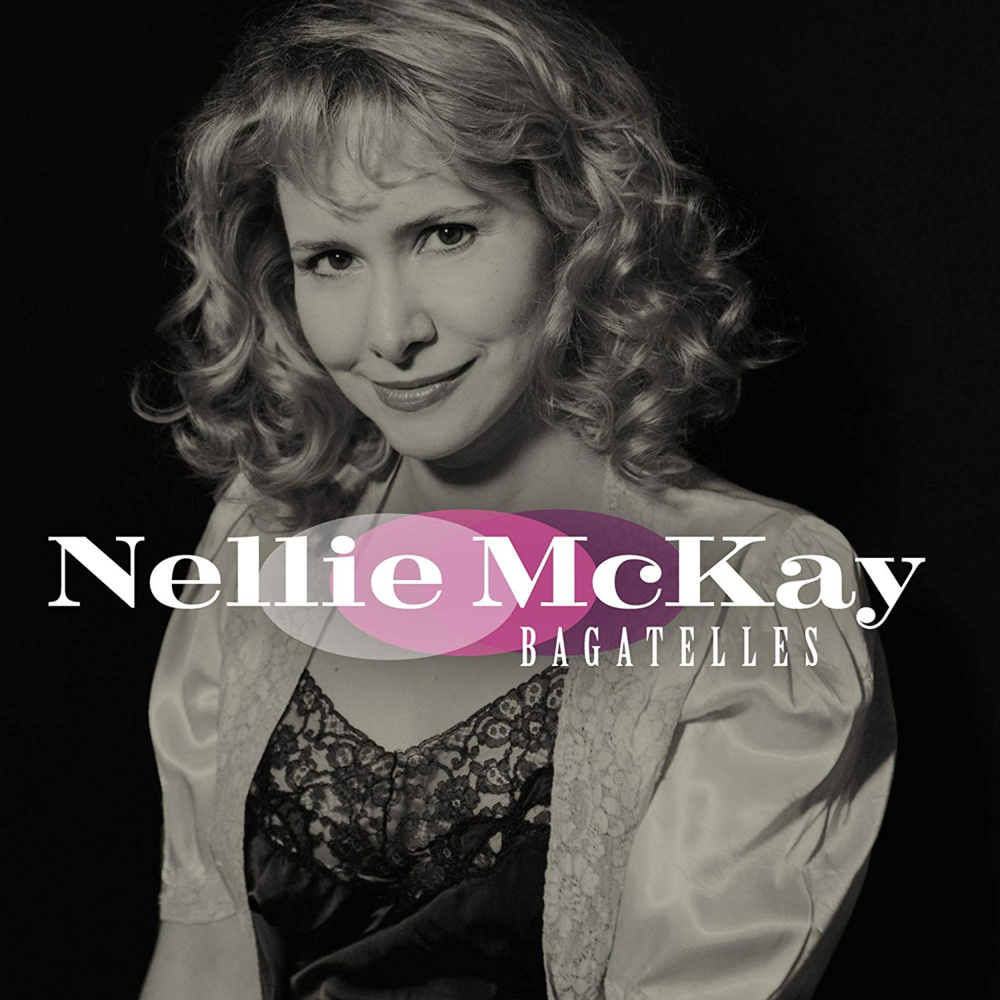
Nellie McKay's rendition of "Rockabye Your Baby with a Dixie Melody" isn't a straightforward lullaby; it’s a complex, psychologically rich exploration of nostalgia, regret, and the complicated legacy of the American South. The song's surface—a plea for a comforting, maternal presence singing familiar tunes—masks a deeper yearning for a lost past. McKay uses the imagery of the 'mammy' figure and classic Dixie melodies not to celebrate a romanticized South, but to dissect the emotional dependence and potentially problematic attachments that such imagery evokes. The opening lines, "Anytime I hear a mammy sing a babe to sleep...the shadows 'round my heart begin to creep and I weep," immediately establish a sense of unease. The speaker isn't simply comforted; they're confronted by a profound sadness. This hints at a recognition of the artificiality and perhaps even the harm inherent in clinging to these idealized versions of the past. The lyrics subtly suggest a desire to return to a state of infantile dependence: "Take me back to yesterday, in your arms again." This isn't just about missing childhood; it's about wanting to escape the complexities and responsibilities of adulthood by retreating into a simplified, emotionally secure world.
The repeated requests for specific songs like "Weep No More My Lady" and "Old Black Joe" highlight the problematic nature of this nostalgia. These songs, deeply rooted in minstrelsy and racial stereotypes, carry a heavy historical weight. McKay isn't endorsing these racist origins, but rather acknowledging their inescapable presence in the cultural landscape and the psychological impact they have on the speaker. The line "Just hang my cradle, Mammy mine, Right on that Mason-Dixon Line" is particularly poignant. It suggests a liminal space, a desire to exist between two worlds—the comforting embrace of the past and the uncomfortable realities of the present. This placement on the Mason-Dixon Line emphasizes the internal conflict between wanting to return to a simpler time and the impossibility of ignoring the historical context.
The seemingly innocent request to "Rockabye your baby with a Dixie melody" becomes a demand for emotional reassurance through potentially harmful cultural artifacts. The "million baby kisses" offered in exchange for singing "Swanee River" underscore the desperation for this return to innocence. Ultimately, McKay's interpretation transforms the song into a haunting meditation on the seductive power of nostalgia and the ethical questions it raises. The lyrics analysis reveals that the song explores how comforting melodies can simultaneously evoke warmth and prick at the conscience, forcing listeners to confront the uncomfortable truths embedded within the familiar tunes of their past. It serves as a potent reminder that revisiting the past isn't always a sentimental journey; sometimes, it's a confrontation with the shadows that still linger.
 View Artist