Song Meaning
Nellie McKay's "Mean to Me" is a masterclass in deceptively simple songwriting, a wolf in sheep's clothing that belies a complex emotional landscape. The song's surface narrative is straightforward: a lament of mistreatment within a relationship. The repeated phrase, "You're mean to me," acts as both a plaintive cry and a stark accusation. But the brilliance lies in the subtle power dynamics at play. The speaker isn't just hurt; they are seemingly addicted to the pain, unable or unwilling to break free from the cycle of abuse and neglect. The line, "I don't know why I stay home each night," hints at a deeper psychological entanglement, suggesting a compulsion toward self-inflicted suffering. This isn't merely a song about being wronged; it's an exploration of the reasons why we sometimes choose to remain in toxic situations.
The lyrical structure itself reinforces this sense of cyclical behavior. The verses repeat, mirroring the repetitive nature of the abusive dynamic. The contrast between the directness of "You're mean to me" and the vulnerability of "What you mean to me" creates a tension that underscores the speaker's internal conflict. There's a push and pull between recognizing the harm being inflicted and clinging to the hope of something better, or perhaps, a twisted sense of comfort in the familiar pain. The seemingly innocent melody only amplifies the song's unsettling undercurrent, a reminder that abuse can often be cloaked in a veneer of normalcy.
Ultimately, the song meaning of "Mean to Me" resides in its ambiguity. Is it a call for help? A resigned acceptance? Or a perverse form of self-flagellation? McKay wisely leaves these questions unanswered, allowing the listener to project their own experiences and interpretations onto the narrative. It's a song that lingers in the mind long after the final note fades, prompting introspection about the complexities of love, pain, and the human capacity for both inflicting and enduring mistreatment. The song encourages us to consider the less comfortable aspects of relationships, the places where vulnerability becomes a weapon, and where the lines between victim and participant become blurred.
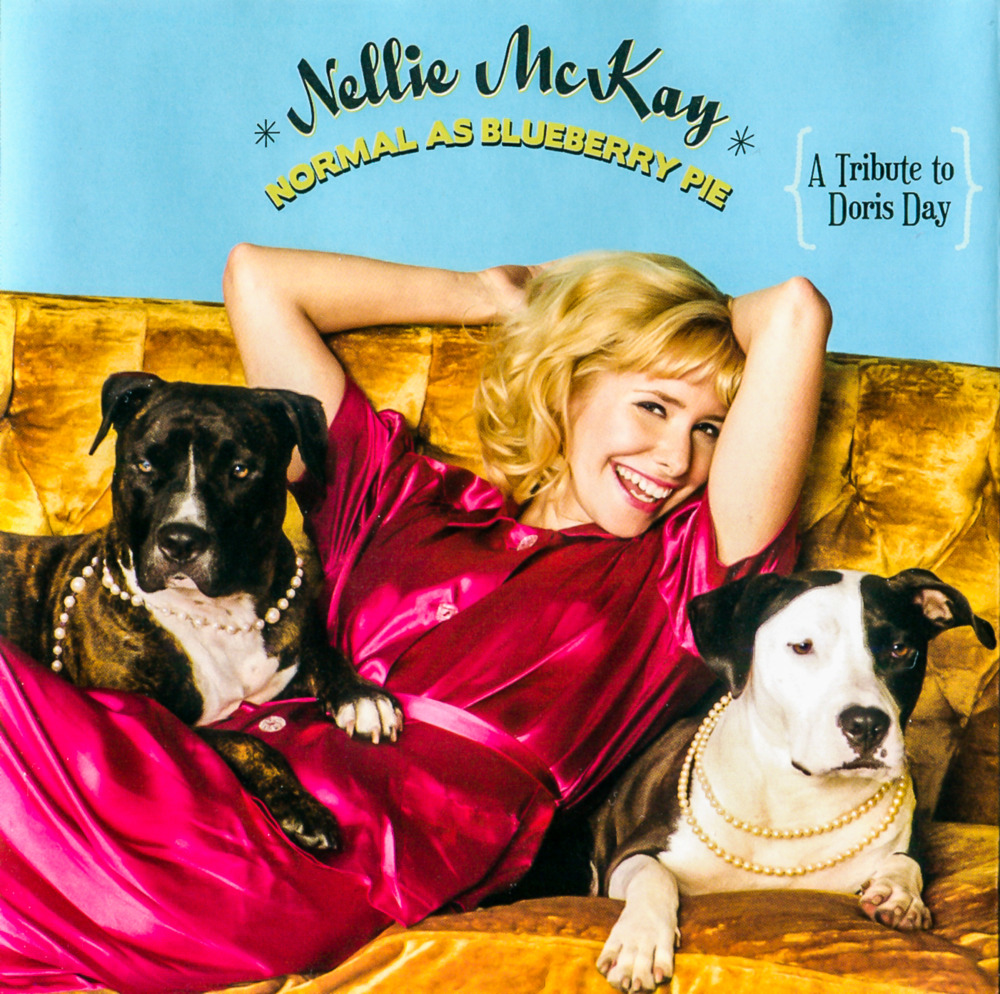
 View Artist