Song Meaning
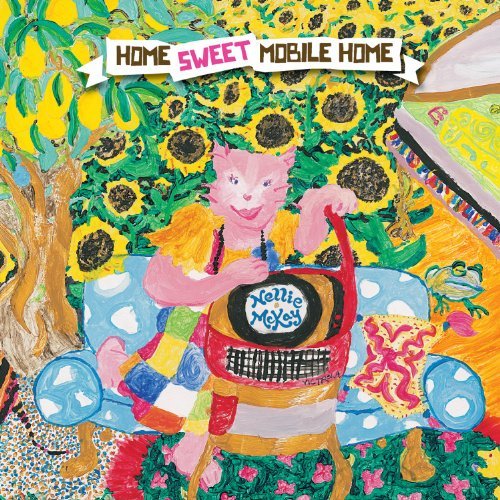
Nellie McKay's "Coosada Blues" isn't just a geographical journey; it's a psychological excavation of home, memory, and the persistent ache of longing. The lyrics paint a picture of a return to a specific place near Montgomery, Alabama—a "town near Old Montgomery / Past the land where palm trees roll"—but the pull isn't purely nostalgic. Instead, it's tinged with a profound sense of unease, a feeling that the South, with its "Magnolia country," holds both comfort and a haunting, inescapable past. The repetition of "Callin' me home, sweet mobile home" acts as a mournful refrain, suggesting a cyclical return to a place that offers neither complete solace nor escape. The mobile home itself becomes a symbol of impermanence, a fragile shelter against the weight of history and personal trauma.
The verses describing leaving a "coastal city" and traveling north hint at an attempt to escape, a desire to outrun whatever shadows cling to this southern landscape. But the "soft sweet postal delis" that lure them away prove to be insufficient. The chorus, a desperate plea for salvation, reveals the true depth of the speaker's emotional state: "Oh, save my soul on a rainy day / Honey, my heart's been petrified." This isn't a simple homecoming; it's a desperate attempt to revive a heart turned to stone, to find healing in a place that simultaneously wounds. The imagery of being "paralyzed" speaks to the feeling of being trapped, unable to move forward from the past.
The final verse solidifies the song's exploration of memory and loss. The "south land of my memories / With an ivy covered dome" evokes a sense of decaying grandeur, a romanticized past that crumbles under the weight of reality. The stark line, "Every day's a long lonely cemetery," underscores the ever-present feeling of grief and the sense that the past is not just a memory, but a living, breathing presence. The song meaning ultimately resides in this tension between the pull of home and the pain it represents. "Coosada Blues" is a haunting meditation on the complexities of identity, belonging, and the enduring power of place to shape our emotional landscape.
 View Artist