Song Meaning
The lyrics paint a stark picture of lost selfhood, a chilling echo of external control. The repeated command to "Cease to know or to tell or to see" establishes a tone of profound erasure, as if the very senses and capacity for independent thought are being systematically dismantled. This isn't just about being told what to do; it's about the internal erosion of one's own being, a forced abdication of self. The phrase "Or to be your own" hammers home the central tragedy: the loss of autonomy.
The core tension lies in the imposed duality: "Have someone else's will as your own." This suggests a parasitic relationship where identity is supplanted, not merely influenced. The stark contrast between "You are beautiful and you are alone" is particularly potent, highlighting a potential inner worth that remains unrecognized or unfulfilled precisely because of this isolation and imposed will. It’s a lonely beauty, perhaps one that can only be seen by an external observer, or a self that has been so hollowed out it can only reflect its own emptiness.
The imagery of "the adolescent plague" is intriguing, framing this loss of self not as a sudden event but as a pervasive, almost developmental affliction. It suggests a vulnerability inherent in a certain stage of life, where external pressures can "reward your grace" – perhaps a twisted form of validation for conformity. The act of "Confuse your hunger" and "Capture the fake" points to a deliberate manipulation of core desires and a substitution of genuine needs with artificial ones, leading to a distorted perception of reality.
Ultimately, these lyrics resonate because they tap into a deep-seated fear of losing oneself to external forces, whether societal pressure, manipulation, or a pervasive sense of loneliness. The repeated, almost incantatory structure amplifies the feeling of being trapped in a cycle of self-negation. The final lines, "Banish the faceless / Reward your grace," offer a bleak resolution, implying that true acceptance or validation comes only through the expulsion of the unknown or authentic self, and the embrace of a rewarded, perhaps manufactured, persona.
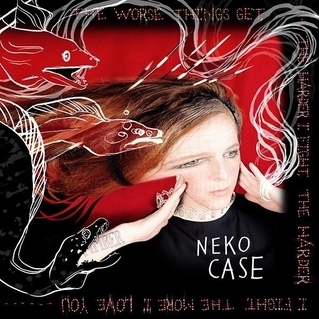
 View Artist