Song Meaning
The lyrics paint a picture of someone who finds solace in detachment, admitting a preference for strangers over the complicated dangers of their own family. This sets a tone of weary self-awareness, a feeling that close relationships are inherently fraught with peril. The narrator acknowledges this unkindness but seems resigned to it, suggesting a history of hurt that has shaped their emotional landscape.
The central tension arises from the deceptive nature of encouragement, specifically the repeated phrase "Hold on, hold on." This refrain, initially perceived as supportive, is revealed to have been a lie. The narrator confesses to being the "mean girl" or someone caught in between, implying that their attempts to navigate relationships or perhaps their own internal struggles led to harmful behavior. This self-recrimination is starkly contrasted with the idea of finding comfort in "the devil I love."
The most striking craft element is the subversion of the titular phrase. What sounds like a call for perseverance becomes a symbol of delusion, a chorus that misled the narrator into believing things would improve or that they could maintain a certain role. The repetition of this false promise amplifies the sense of betrayal, both by external forces and by the narrator's own past actions. The juxtaposition of "the devil I love" with "funny as real love" highlights a dark, ironic acceptance of their current state.
Ultimately, these lyrics resonate because they articulate a complex emotional truth about self-protection and the painful realization that external advice can be hollow. The narrator's journey, from seeking comfort in strangers to embracing a self-professed "devil" persona, is a raw portrayal of disillusionment. The effectiveness lies in its unflinching honesty about flawed human connection and the dark humor found in accepting one's own perceived failings.
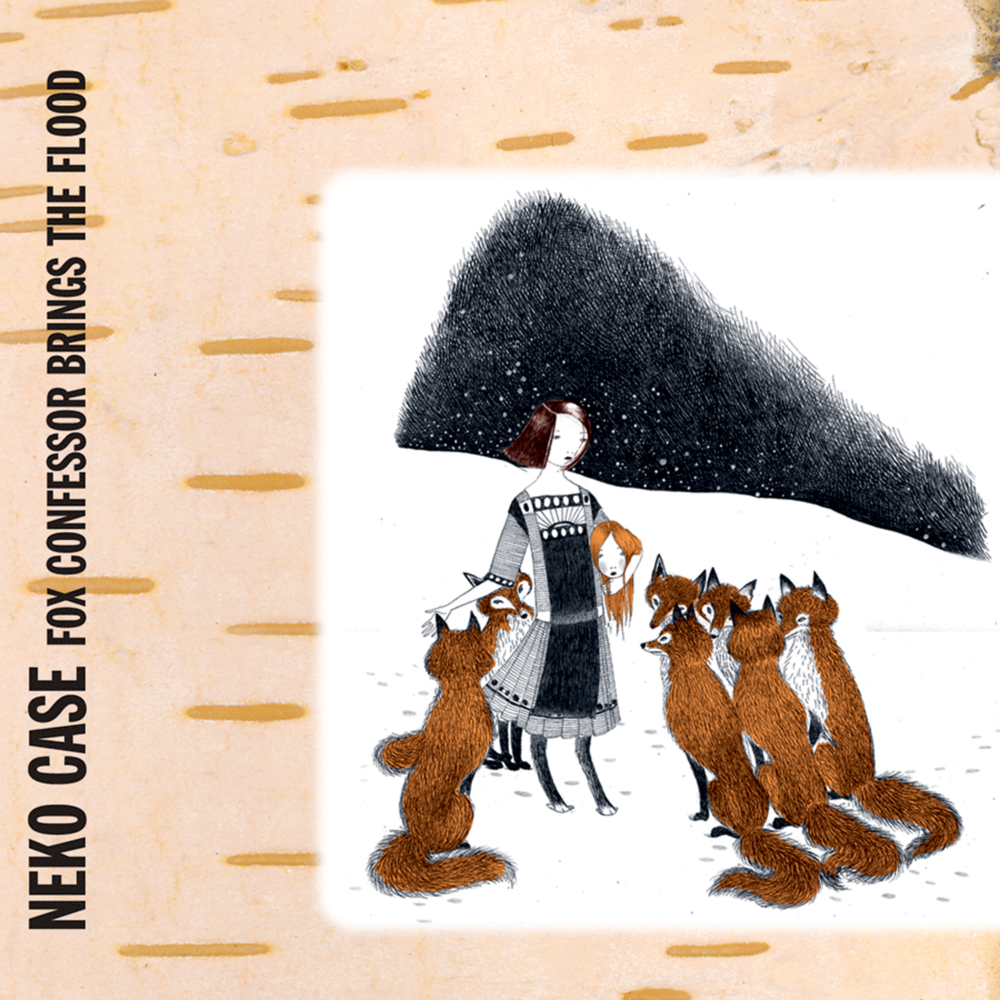
 View Artist