Song Meaning
{"song_id": 15395516, "meaning": "Neil Sedaka's \"When You Were Lovin' Me\" isn't just a sentimental ballad; it's a raw excavation of memory, grappling with the bittersweet ache of a past relationship. The song's power resides in its unflinching honesty about love's complexities, acknowledging that even the most profound connections can leave scars. The lyrics paint a picture of a speaker haunted by a former lover, one who profoundly shaped his emotional landscape yet ultimately couldn't provide the clarity he needed for the future. Sedaka's delivery, tinged with regret and resignation, amplifies the sense of lingering attachment and the painful realization that some chapters are best left closed. The repeated line, \"You taught me to feel / But you couldn't help me see,\" encapsulates the central conflict: the lover ignited passion and experience, but left the speaker adrift in terms of direction or self-understanding.
The song skillfully navigates the push and pull between nostalgia and the desire for emotional liberation. The verses are filled with vivid, sensory details – \"dancin' in my life,\" \"glitter in my eye,\" \"laces on my shoes,\" \"hot cakes on my menu\" – evoking a time of youthful exuberance and simple pleasures. These images are juxtaposed with the stark reality of the present, where the speaker is left \"deep in darkness,\" clinging to memories that stir both joy and pain. The contrast highlights the enduring impact of the relationship while underscoring the necessity of moving on. The line, \"A time would come when I'd wanna forget when you were lovin' me\" isn't an indictment of the past love, but rather an acknowledgement of the speaker's need for self-preservation and the desire to escape the shadow of what once was.
Ultimately, “When You Were Lovin’ Me” is a song about the enduring power of first love and the difficult process of emotional disentanglement. Sedaka avoids simplistic narratives of blame or resentment, instead offering a nuanced portrait of a relationship that was both formative and ultimately unsustainable. It speaks to the universal experience of grappling with the ghosts of past loves, acknowledging their lasting impact while striving to forge a path towards healing and self-discovery. The song’s resonance lies in its ability to capture the bittersweet truth that even the most cherished memories can become a source of pain, and that sometimes, the only way to move forward is to let go."}
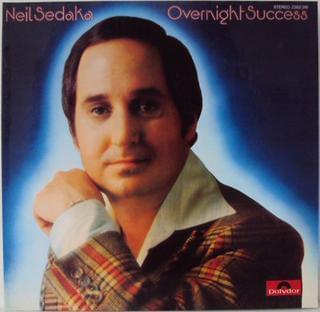
 View Artist