Song Meaning
Neil Sedaka's "The Big Parade" isn't just a catchy tune; it's a pointed, almost aggressive, nudge toward embracing life's vibrancy. The central metaphor of the "big parade" becomes a symbol for the ongoing spectacle of existence, a celebration that threatens to leave behind those who choose to remain on the sidelines. Sedaka isn't merely suggesting happiness; he's framing inaction as a form of self-imposed exile. The lyrics directly challenge the listener: "What good is living in a world you'll never know?" This isn't gentle encouragement; it's a dare. It suggests a fear of missing out (FOMO) that's been relevant long before the social media age. The song presents a stark choice: participate in the collective joy, or wither in isolation as "hopes and dreams turn into tears."
The psychological undercurrent of "The Big Parade" taps into the human tendency toward regret aversion. Sedaka highlights the ephemeral nature of time ("Days run into weeks and years"), creating a sense of urgency. He frames choosing unhappiness as an active decision – a "foolish" waste of the present moment. The song subtly critiques the defenses people erect to avoid vulnerability. The repeated invitation to "come and hide your heart no more" suggests that many people self-isolate out of fear, missing out on authentic connection and joy as a result. The 'parade' becomes a metaphor for opportunity and shared experience, constantly moving forward and potentially leaving the fearful behind.
Ultimately, the song's meaning resides in its insistent optimism, tempered by a pragmatic awareness of life's fleeting nature. It's a reminder that joy isn't a passive state, but an active choice. While the lyrics might seem simplistic on the surface, the underlying message is a powerful call to engage fully with the world, to overcome fear and embrace the messy, unpredictable, and ultimately rewarding experience of being alive. The repetitive nature of the chorus, emphasizing the parade's continuous passing, reinforces the idea that opportunities are transient and require seizing. Sedaka's "The Big Parade" is a timeless anthem for those who need a little push to join the dance.
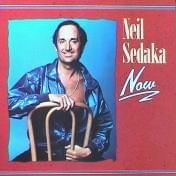
 View Artist