Song Meaning
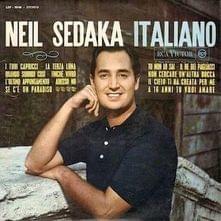
Neil Sedaka's "Se C'e Un Paradiso" is a raw, almost operatic lament of heartbreak, a plea for solace rooted in the depths of romantic despair. The song's core question – "Oh se c'è un paradiso / Per chi soffre d'amore" (Oh, if there is a paradise / For those who suffer from love) – sets the stage for a profound exploration of betrayal and the hope, however fragile, for eventual redemption. It's a sentiment that resonates universally, tapping into the primal human need for justice and comfort in the wake of emotional devastation. Sedaka doesn't just sing about heartbreak; he embodies it.
The lyrics paint a vivid picture of shattered trust. The singer recalls a time when he believed in the promises of his lover, clinging to the illusion of a bond that was, in reality, a carefully constructed facade. The line "E invece tu / Con un sorriso nascondevi la triste realtà" (But instead you / With a smile hid the sad reality) is particularly cutting, highlighting the deceptive nature of the beloved and the profound sense of betrayal felt by the narrator. It's a scenario many can relate to: the slow, agonizing realization that the person you loved was not who you thought they were.
Ultimately, "Se C'e Un Paradiso" is a meditation on the enduring power of hope, even in the face of overwhelming sadness. The repeated invocation of paradise isn't necessarily a literal desire for an afterlife, but rather a symbolic yearning for a place of healing and understanding. The song meaning lies in its ability to articulate the complex emotions of love, loss, and the search for solace, solidifying its place as a poignant expression of the human condition. The fading outro, with its repeated question, leaves the listener suspended in a state of contemplation, wondering alongside the singer if such a paradise truly exists.
 View Artist