Song Meaning
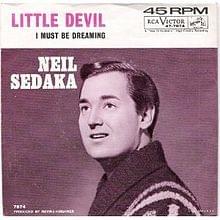
Neil Sedaka's "I Must Be Dreaming" isn't just a saccharine love song; it's a peek into the vulnerable psyche of someone grappling with disbelief. The lyrics paint a picture of a lover who has carried a torch for someone, perhaps for years, and now finds their affections reciprocated. But instead of unbridled joy, there's a fragile hesitancy, a fear that the bubble will burst. The repeated line, "I must be dreaming," isn't just a romantic trope, but a genuine expression of incredulity. It suggests a deep-seated sense of unworthiness, a feeling that this happiness is too good, too perfect, to be real.
The song's simplicity is its strength. Sedaka doesn't clutter the narrative with complex metaphors or elaborate imagery. Instead, he focuses on the raw emotional core of the experience. The lyrics reveal a person almost paralyzed by the fear of losing this newfound love. The lines, "Too good to be real / When you're next to me / I'm so afraid / That I'm fast asleep so don't wake me up," underscore this anxiety. It's a universal fear, the dread that profound happiness is fleeting and that waking up will mean returning to a less desirable reality.
Ultimately, "I Must Be Dreaming," at its heart, is a song about the fragile nature of hope and the psychological defenses we erect to protect ourselves from disappointment. The singer isn't simply expressing joy; he's negotiating a precarious emotional landscape, trying to reconcile his long-held desires with the possibility that they might actually come true. The song's enduring appeal lies in its ability to tap into this universal experience, reminding us that even in moments of profound happiness, a shadow of doubt can linger.
 View Artist