Song Meaning
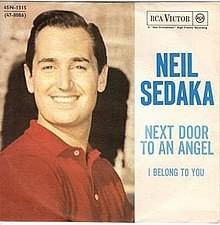
Neil Sedaka's "I Belong to You" isn't just a love song; it's a complete surrender. The lyrics drip with a vulnerability that's almost unsettling in its totality. The opening lines, where a single kiss ignites a life-altering transformation, immediately establish the speaker's utter dependence on the object of his affection. It's a world where autonomy dissolves; the singer's 'roving days' are not just over, but decisively terminated by the power of another's touch. This isn't merely commitment; it's a relinquishing of self. The melody metaphor, while classic, reinforces the idea of being utterly consumed and defined by the presence of another. The speaker isn't just *in* love; he *is* love, or at least, his identity is entirely subsumed within it. This all points to an anxious attachment style, where the speaker's self-worth is entirely contingent on reciprocation.
The repetitive insistence of belonging underscores the speaker's deep-seated need for validation. The lyrics reveal a fragile ego seeking constant reassurance. The plea, "Please tell me that you found your heaven, too," exposes the inherent insecurity beneath the surface of devotion. It's not enough for the speaker to feel love; he requires absolute certainty that those feelings are mirrored, lest the entire edifice of his identity crumble. The physical sensations—tingling at a touch, the clarity supposedly revealed in his eyes—are presented as irrefutable proof of his sincerity, almost as if attempting to convince himself as much as his beloved. This reliance on external validation suggests a possible fear of abandonment driving the intensity of the declaration.
Ultimately, "I Belong to You" paints a portrait of love as absolute submission. While some might interpret this as romantic devotion, a deeper analysis reveals the potential for codependency and an unhealthy reliance on another person for self-definition. The song's enduring appeal likely stems from its raw emotional honesty, even as it hints at the darker psychological undercurrents that can sometimes accompany the euphoric rush of falling in love.
 View Artist