Song Meaning
The lyrics open with a simple, almost mantra-like repetition of "I love you," establishing a core sentiment that feels both immediate and timeless. This phrase is presented as a constant against a backdrop of fleeting experiences. The narrator contrasts this enduring expression with the ephemeral nature of "yesterday's songs," "words," and "moves," suggesting that while trends and even emotional expressions like "blues" fade, the fundamental act of declaring love remains. This sets up a central tension between the transient world and a persistent, unchanging truth.
The core emotional weight rests on the idea that while much in life passes by – songs become irrelevant, words lose their impact, and even past sorrows become "yesterday's news" – certain fundamental human experiences endure. The lyrics propose that the "truth" of love, and the "good things" like expressing affection, are immune to the passage of time. This isn't a complex philosophical argument, but a deeply felt assertion that the simple act of saying "I love you" transcends the decay of other elements of the past.
The most striking aspect of the craft here is the deliberate juxtaposition. The narrator repeatedly lists things that are gone or fading – "songs don't stay around long," "words don't make themselves heard," "moves don't stay in the grooves" – only to pivot back to the unwavering power of "sayin' 'I love you'." This structural repetition, framing the transient against the eternal, hammers home the central message. It’s the insistent return to that simple declaration that gives the lyrics their quiet, resolute power, making the listener feel the weight of that enduring sentiment.
What makes these lyrics resonate is their directness and the comforting certainty they offer. By anchoring the abstract concept of enduring love to the concrete, repeated phrase "I love you," the song provides a stable point in a world that the lyrics themselves describe as constantly changing. The effectiveness comes from this simple, unwavering assertion that despite everything else that fades, the fundamental expression of love remains a constant, a truth that "always stays the same."
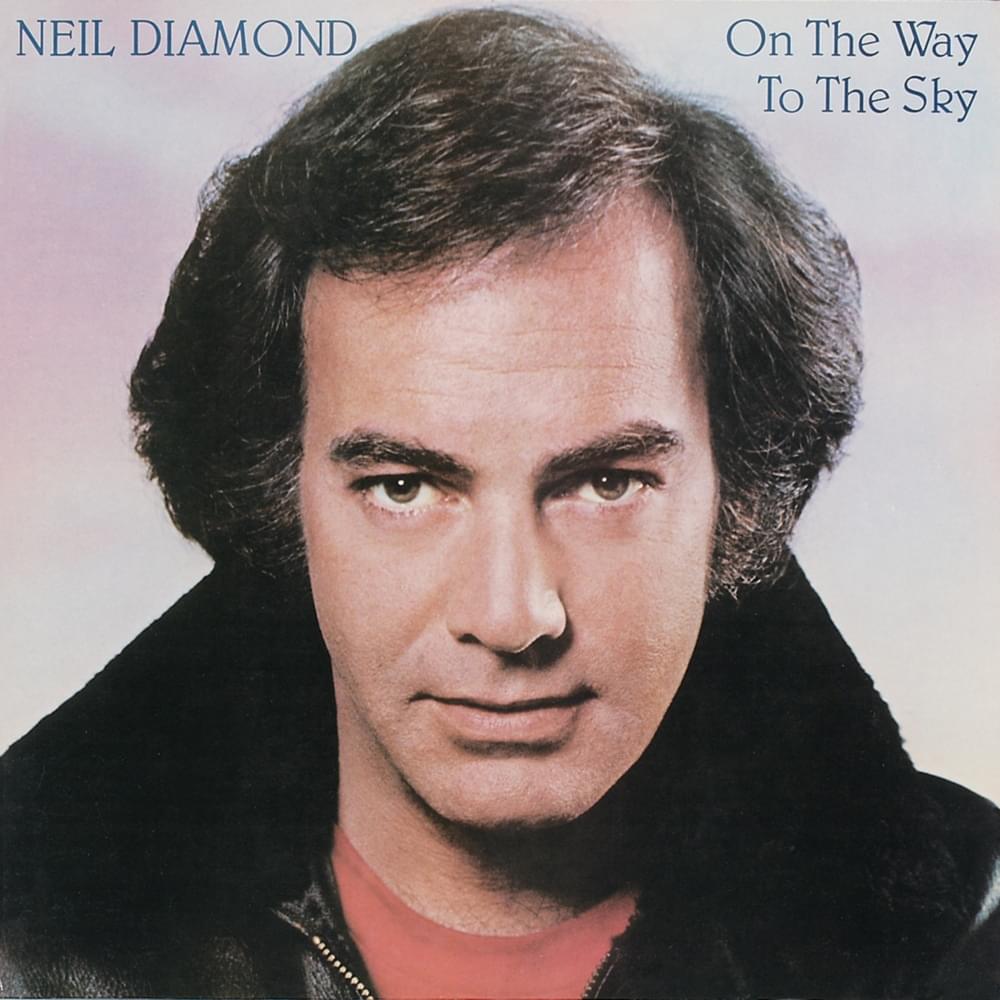
 View Artist