Song Meaning
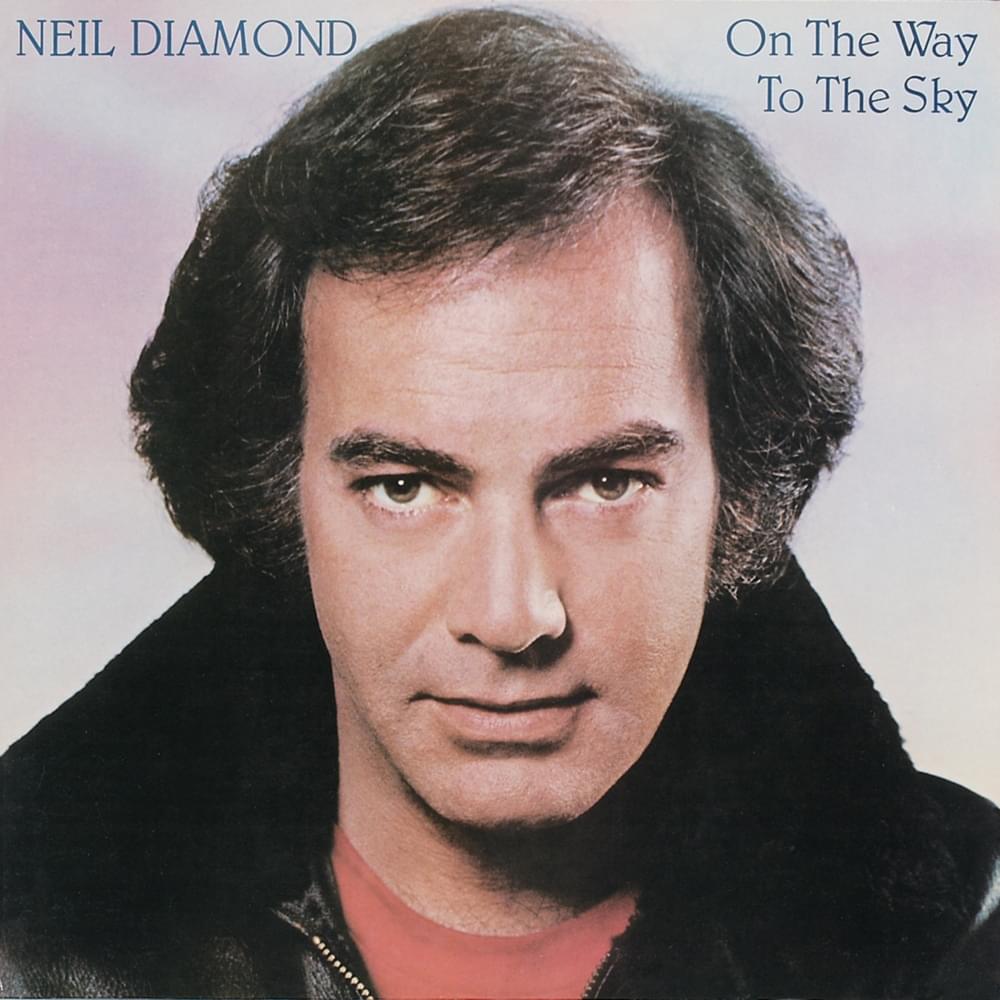
Neil Diamond's "On the Way to the Sky" isn't just another love song; it's a bittersweet reflection on resilience and the often-painful journey toward connection. The opening lines, "We are two, and two of us are one," immediately establish a theme of duality and the longing for wholeness found in partnership. But this isn't naive optimism. Diamond acknowledges the world outside the relationship, where "some people moving up, and some people standing still," hinting at the anxieties and pressures that test even the strongest bonds. The "sky" itself represents an idealized state, a destination of happiness and fulfillment that remains perpetually out of reach, driving the narrator's relentless pursuit of love. The phrase "on the way to the sky" is repeated to show this is a journey with an unknown end. What is most important is not reaching the destination, but remaining dedicated to the journey.
Diamond doesn't shy away from the darker aspects of human relationships. He references "lovers and liars / Consumed by the fires / Of too many dances / But not enough song." This suggests a world of superficial connections and fleeting passions, where genuine emotional expression ("song") is often sacrificed for the performance of love ("dances"). The "fires" speak to the destructive potential of these empty interactions. There's a weariness in these lines, a sense of having witnessed the wreckage of relationships built on false pretenses. This lends a mature, almost cynical edge to the narrator's search for something real.
The song's most poignant lines are reserved for "the poor one, the shy and unsure one / Who wanted it perfect, but waited too long." This figure serves as a cautionary tale, a reminder that the pursuit of an unattainable ideal can lead to missed opportunities and profound regret. It's a powerful indictment of perfectionism and the paralysis it can induce. The narrator recognizes the high cost of "innocence lost" in the pursuit of love, but ultimately chooses to remain "on the way to the sky," suggesting that even with its inherent risks and potential for heartbreak, the journey itself is worthwhile. The repetition of "I'm back on my feet again / Out on the street again / Looking for love" reinforces the narrator's determined spirit, even in the face of past disappointments.
 View Artist