Song Meaning
The lyrics present a stark, almost clinical view of a relationship where infidelity is normalized and accepted as part of the dynamic. The opening lines immediately establish a sense of shared imperfection: "Kao što nisam ni ja jedina žena na svetu / Tako nisi ni ti meni jedini." This isn't a plea for understanding based on weakness, but a statement of mutual, acknowledged non-exclusivity. The narrator directly addresses their partner, urging them not to curse her because they are alike, suggesting a shared pattern of behavior.
The core of the song lies in the repeated, almost mantra-like refrain: "Kad ljubiš me ti, sve je to ljubav / Kad varam te s njim, sve je to ljubav." This juxtaposition is jarring. The act of being kissed by the partner is equated with cheating with someone else, and both are simply labeled "ljubav" (love). The inclusion of "U krevetu mom, sve je to ljubav" and "Kad spavaš sa njom, sve je to ljubav" further blurs the lines, suggesting that even the partner sleeping with someone else is encompassed within this broad, perhaps distorted, definition of love.
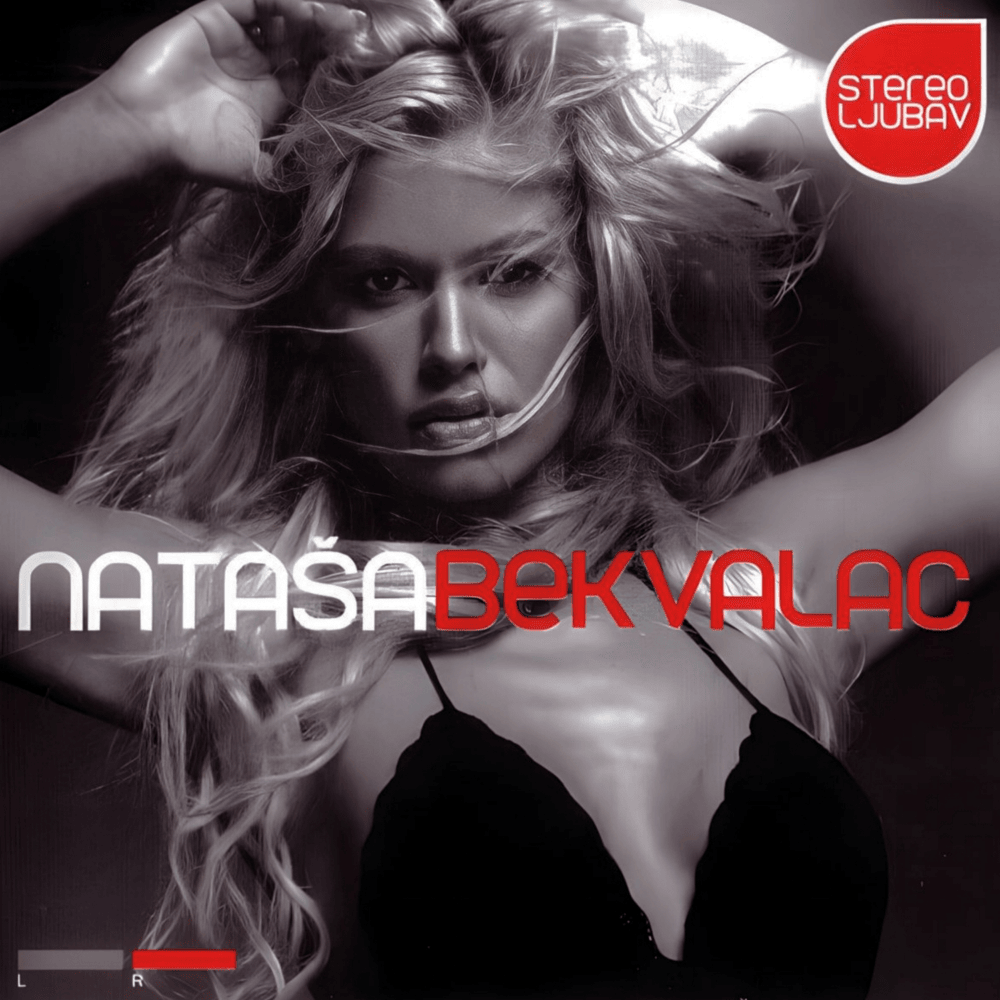
The most striking element is the concept of "Stereo ljubav" introduced in the intro and outro, and woven into the chorus. This isn't just about one instance of cheating; it implies a multi-directional, perhaps even broadcast, form of affection or connection. The repetition of "njom, njom, njom" in the bridge amplifies this sense of diffusion and multiplicity. The lyrics don't condemn or celebrate this; they simply state it as the reality of their "stereo love."
This approach is effective because it strips away conventional notions of romantic fidelity and presents a raw, unflinching perspective. By labeling all these complex, often contradictory actions under the single umbrella of "love," the song forces the listener to question what love truly means when exclusivity is abandoned. It’s a disarming, almost defiant, declaration of a relationship operating on its own unconventional terms.
 View Artist