Song Meaning
This track captures the lingering ache of a past relationship, where the narrator remains deeply entwined with a former lover despite knowing their diminished significance. The opening lines, "Tu, tu sam ti ja / Kada zatreba" (Here, here I am for you / When needed), immediately establish a sense of persistent availability, even as the narrator acknowledges, "Iako znam da sam ti bila niko" (Although I know I was no one to you). This creates a poignant contrast between the narrator's enduring presence and the perceived indifference of the other person, hinting at a history where the narrator offered more than they received. The image of a "grafit s tvojim likom" (graffiti with your likeness) preserved "pod rebrima / Malo ulevo" (under the ribs / A little to the left) suggests a deeply ingrained, almost physical memory of this person.
The central tension lies in the narrator's inability to fully detach, driven by a powerful sense of habit and ingrained connection. The repeated phrase "Po navici" (Out of habit) in the chorus underscores this involuntary hold. The narrator dreams of rivals, feels the phantom presence of their ex's breath, and mixes "krv i suze pola-pola" (blood and tears half-and-half), illustrating a state of emotional turmoil that has become routine. This ritualistic suffering, performed "kraj tvoje košulje / Ja spavam gola" (next to your shirt / I sleep naked), highlights a desperate clinging to the remnants of intimacy, even in its absence.
The lyrics employ striking imagery to convey the narrator's self-perception and the intensity of their loss. The idea of the body transforming "u odelo tvoje" (into your clothes) and the desire to be "po meri, tebi, ljubavi" (to your measure, my love) speaks to a profound loss of self, a feeling of being shaped by the other person's needs and desires. The narrator describes themselves as "Sebi najgora" (Worst to myself) while being a "premija sa devet nula" (a nine-zero prize) to the ex, suggesting a self-destructive pattern where their own worth is diminished in the shadow of the past relationship. The line "Tu sam još prve noći poginula" (I died that first night) is a powerful metaphor for the complete emotional surrender and subsequent devastation experienced early in the connection.
Ultimately, the effectiveness of these lyrics stems from their raw portrayal of a persistent, almost involuntary emotional state. The narrator isn't just sad; they are *habituated* to their pain, performing rituals of remembrance and longing that have become deeply ingrained. The stark contrast between the narrator's enduring devotion and the ex's apparent distance, coupled with the visceral imagery of physical and emotional remnants, creates a deeply resonant picture of heartbreak that refuses to fade. The act of sleeping naked next to a shirt, a symbol of both presence and absence, encapsulates the complex, unresolved nature of this lingering attachment.
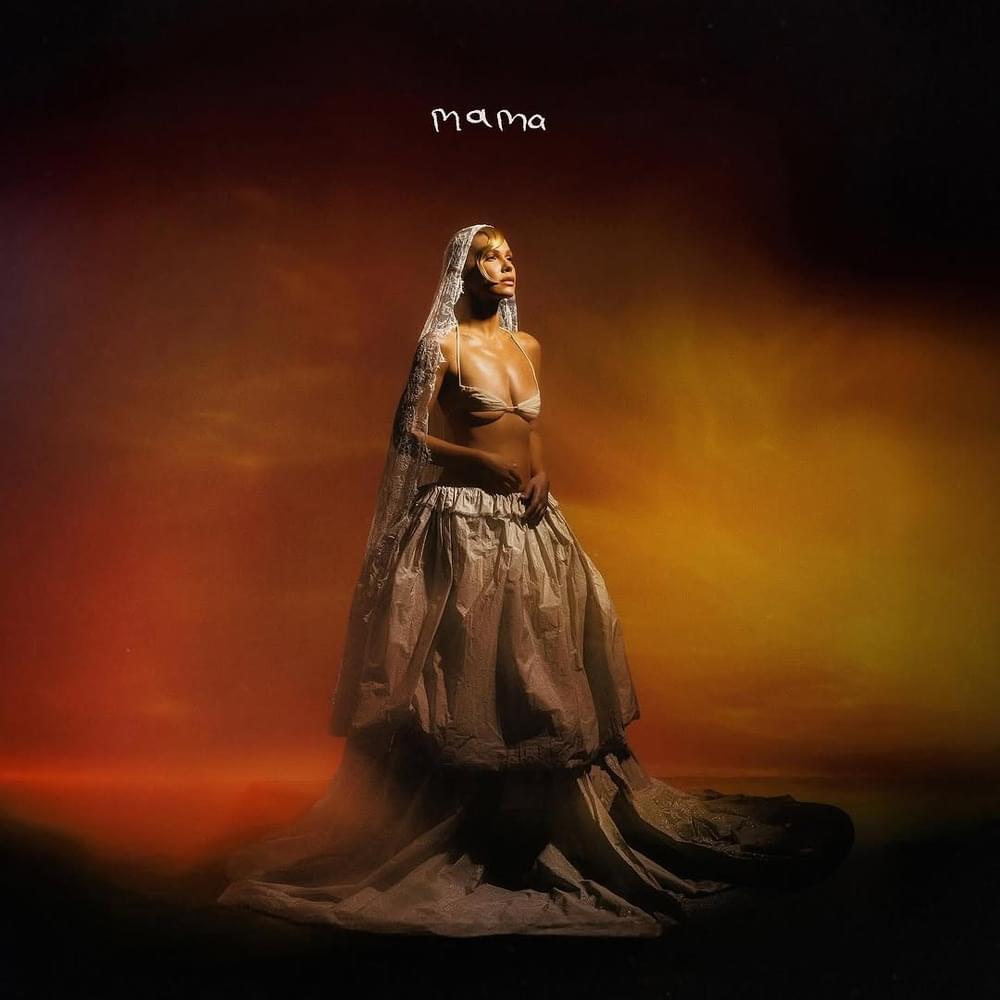
 View Artist