Song Meaning
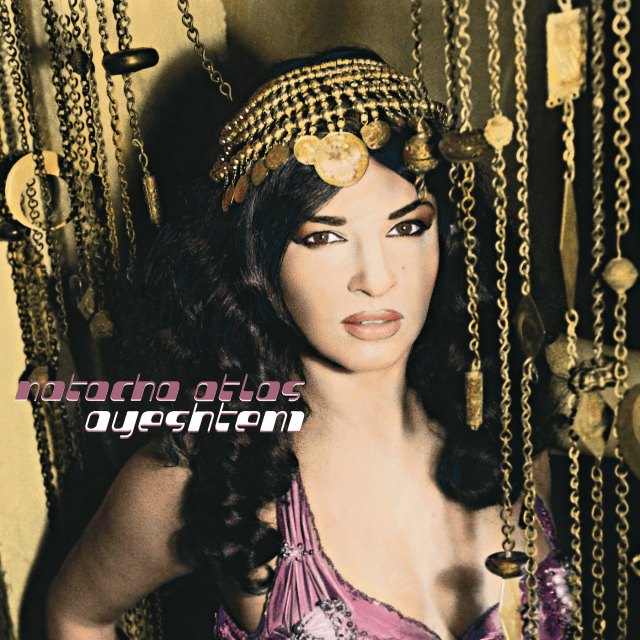
Natacha Atlas's "Soleil d'Egypte" isn't just a song; it's a visceral invocation of heritage, sung in French with an undercurrent of deeply felt connection. The lyrics, a short verse, serve as a concentrated shot of longing and belonging, a potent reminder of roots that run deeper than the present. Atlas, an artist known for blending electronic music with Arabic influences, here strips away artifice to reveal a raw nerve of identity. The "Soleil d'Egypte" (Egyptian Sun) becomes more than a geographical descriptor; it's a symbol of ancestral memory, a warmth that permeates her being. The opening lines, pleading for the sun's heat to spread through her blood, establish this intimate relationship. It is a desire for connection that transcends time and space.
The song's power lies in its insistence on internalizing this heritage. The sun lives within her, "like the air I breathe," a constant, life-sustaining force. Distance is irrelevant; the connection to Egypt remains "close to my heart." This isn't a passive appreciation, but an active embrace. The lyrics articulate a yearning to not just remember, but to *feel* the past coursing through her veins. The reference to a "particle of eternity" suggests a cyclical view of time, where past, present, and future are intertwined. The song becomes a meditation on the self as a vessel for history.
Ultimately, "Soleil d'Egypte" explores the psychological weight and comfort of cultural identity. The final lines are especially evocative, hinting at a pre-birth existence, a sense of self rooted in something far older and grander than individual experience. Natacha Atlas uses the image of the Egyptian sun to represent this profound connection, transforming a geographical location into a deeply personal and spiritual touchstone. The song is a reminder that even as we navigate the complexities of modern life, the echoes of our origins continue to shape who we are.
 View Artist