Song Meaning
Natacha Atlas's "Gafsa - قفصة" unfolds as a poignant exploration of love's complexities, cultural identity, and the ache of separation. The song, sung in Arabic, immediately immerses the listener in a world where winds of love stir within the speaker's mind, carrying the greetings of a beloved. However, this initial sweetness quickly reveals a deeper struggle. The lyrics hint at a profound disconnect, a sense of alienation amplified by distance ("الفراق والنت الغريب") and perhaps cultural differences. The repeated plea to "return, my love" underscores a yearning for reconciliation, even as the speaker acknowledges an insurmountable obstacle. This push and pull creates a palpable tension, reflecting the universal human experience of loving someone you can't fully be with. This emotional friction lies at the heart of "Gafsa's" song meaning.
The core of the song wrestles with the idea of belonging and identity. The line "انت حبي لكن مش ممكن تكوني هلالي" (You are my love, but you can't be my crescent) is particularly loaded. The crescent, a powerful symbol in Islamic culture, suggests a fundamental incompatibility, perhaps rooted in differing beliefs or backgrounds. The speaker feels adrift, declaring "مالي في الدنيا نصيب" (I have no share in this world), reinforcing the sense of displacement and the struggle to find one's place amidst conflicting desires. The repetition of this sentiment throughout the song amplifies the feeling of helplessness and resignation in the face of these deeply entrenched barriers.
Ultimately, "Gafsa - قفصة" transcends a simple love song. It becomes a meditation on the challenges of navigating love across cultural divides, the pain of recognizing fundamental differences, and the struggle to reconcile personal desires with deeply held beliefs. The haunting melody, combined with Atlas's evocative vocals, elevates the lyrical content, creating a powerful and resonant listening experience that lingers long after the song ends. The final "خلاص" (enough/finished) suggests a weary acceptance, not necessarily resolution, leaving the listener to ponder the enduring complexities of love and identity.
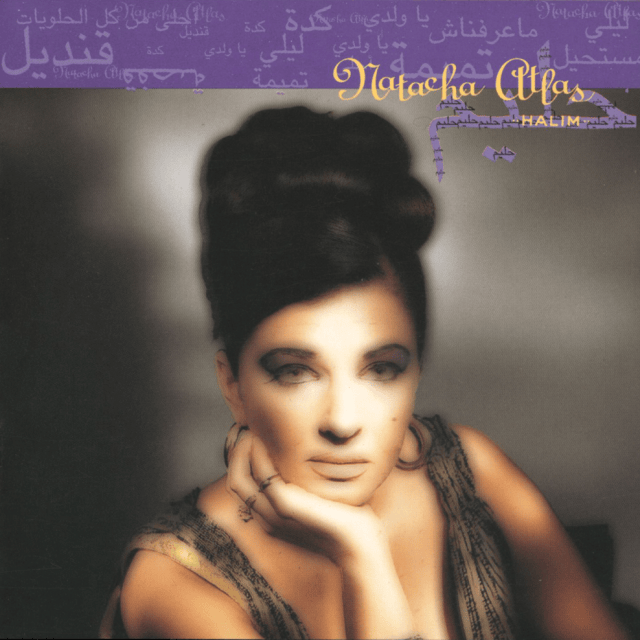
 View Artist