Song Meaning
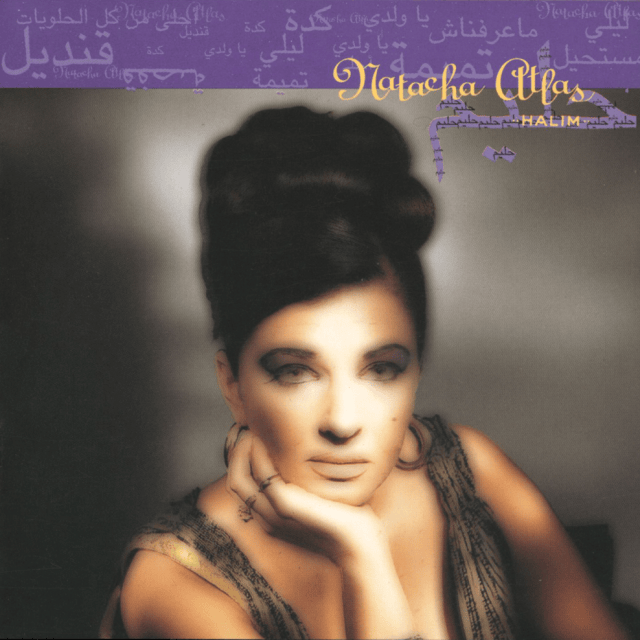
Natacha Atlas, a titan of blending Arabic vocals with electronic and global rhythms, often explores themes of longing and identity. "Enogoom Wil Amar," while perhaps lesser-known to Western audiences, vibrates with a deeply personal sense of yearning. The lyrics, primarily in Arabic, paint a picture of intense emotional connection and separation. Phrases like "I miss your eyes" and "My heart is with you" are not mere romantic tropes; they speak to a profound absence, a physical and spiritual distance that weighs heavily on the speaker. The repetition of "Ya Habibi" (My Love) underscores the intimacy and devotion at the heart of the song's meaning. This isn't just about romantic love; it's about a vital connection, a source of life itself.
The lyrics further reveal the speaker's vulnerability. "I dream of you and wish to meet you, my destiny" suggests a helplessness, a feeling that this connection is both essential and perhaps out of reach. This interplay of desire and resignation creates a palpable tension within the song. The line "Your love is in my heart, I long for you" emphasizes the internal struggle, the ache of missing someone who occupies such a central place in the speaker's being. The question "When will you come, my love?" is less a demand and more a raw expression of hope tinged with despair.
The invocation of the night sky – "Staying up all night with the stars and the moon" – elevates the song beyond a simple love lament. The speaker seeks solace and connection in the vastness of the universe, projecting their feelings onto the celestial bodies. "I whisper to you and I am with you, oh my life, oh crescent of the night" transforms the absent lover into a guiding light, a constant presence even in separation. Ultimately, “Enogoom Wil Amar’s” song meaning resides in its ability to capture the universal experience of longing, amplified by the cultural and linguistic nuances of Atlas's artistry. It’s a poignant meditation on love, loss, and the enduring human need for connection.
 View Artist