Song Meaning
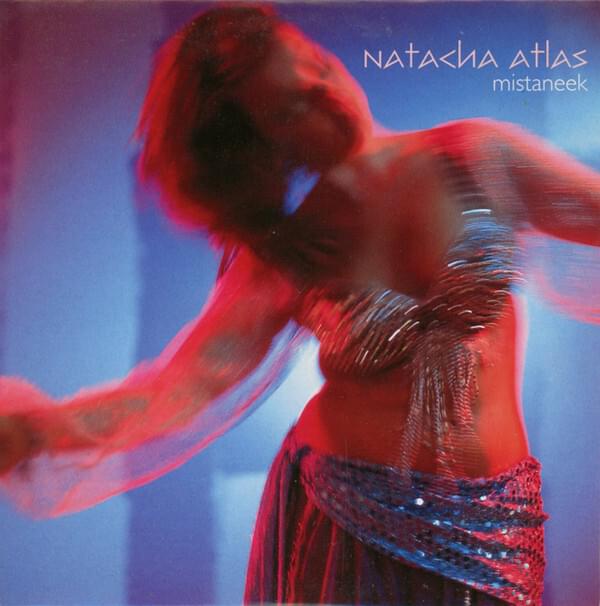
Natacha Atlas's "Mistaneek - مستنيك" coils around a central paradox: the push and pull of desire intertwined with a desperate plea for recognition. The opening lines, lamenting being cast into a "sea of pain," immediately establish a landscape of emotional turmoil. The repetition of "habibi" (my love) underscores the intensity of the speaker's longing, yet it’s a love seemingly unanswered, existing in a vacuum of unreciprocated feeling. This sets the stage for the core question that reverberates throughout the song: "Why should I yearn for you?" It's a rhetorical challenge, a barbed question directed at the absent lover, hinting at a power imbalance within the relationship.
The phrase "Mistaneek," repeated like a mantra, translates to "I'm waiting for you." This waiting isn't passive; it's laced with frustration and a struggle for self-respect. The speaker is caught between the vulnerability of wanting and the defiance of demanding to know why they should even bother. It's a complex emotional dance, a display of both dependence and a nascent sense of self-worth. The song subtly explores the psychological impact of unrequited affection, where the act of waiting itself becomes a form of self-inflicted pain.
The latter verses introduce images of the heart's whispers carrying messages of longing, further amplifying the sense of yearning. The speaker hopes their absence has been felt, suggesting a flicker of hope that their significance is recognized. However, the final lines reveal a deeper fear: the possibility of being forgotten. The assertion that "my heart, my soul, my nights" are eternally devoted contrasts sharply with the potential for oblivion, highlighting the precariousness of the speaker's emotional state. The song, therefore, becomes an exploration of the delicate balance between love, loss, and the fight for emotional validation, all delivered with Atlas's signature blend of passion and restraint.
 View Artist