Song Meaning
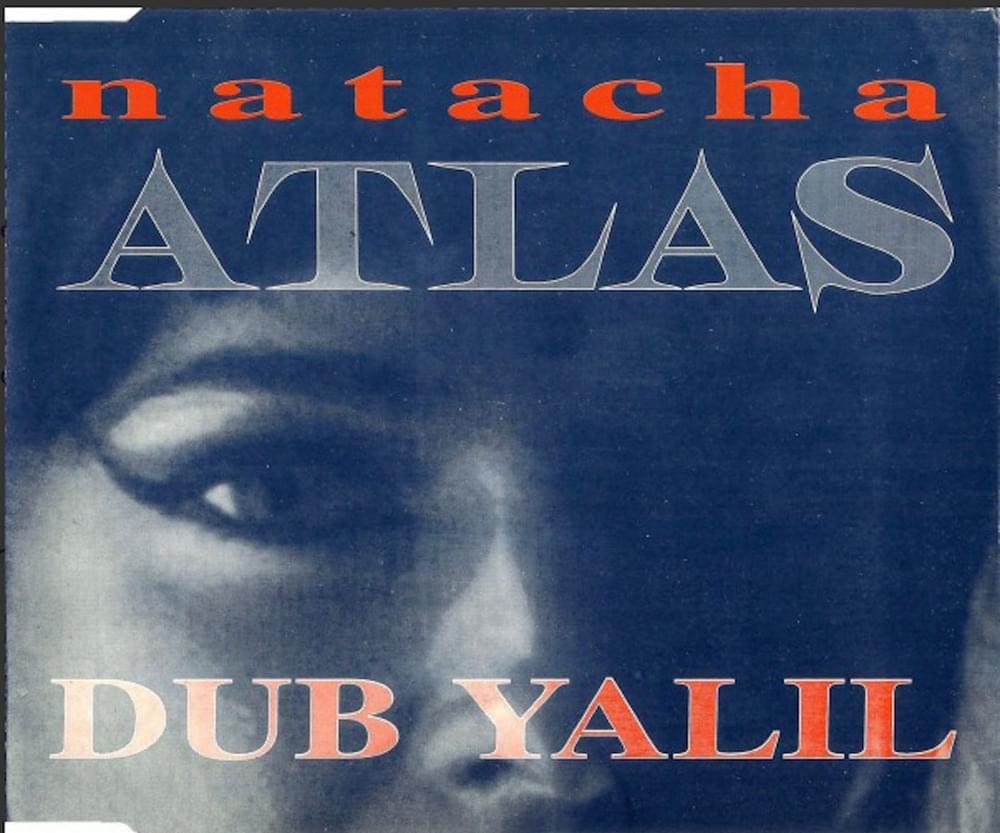
Natacha Atlas's "Dub Yalil" isn't just a song; it's a sonic immersion into devotional longing. The track, built upon repeated phrases of praise and declaration, bypasses Western pop structures to tap into something far more ancient and universal: the human need to connect with the divine. The opening cries of "Allahu Akbar" and the subsequent declaration of faith, "Ash-hadu ana la ilaha ila allah," immediately establish a sacred space. These aren't just words; they are sonic building blocks constructing a temple of sound. Atlas doesn't just sing them; she embodies them. The repetition acts as a mantra, drawing the listener into a meditative state. It's a bold move, daring to be openly spiritual in a musical landscape often obsessed with the secular. The sonic landscape enhances the lyrical content, producing a depth of meaning. The phrase "Allah ana bahibak" ("God, I love you") shifts the focus from formal pronouncements to a deeply personal expression of love. This isn't a distant, unknowable deity but an intimate presence. The yearning in Atlas's voice, combined with the hypnotic rhythm, creates an atmosphere of intense devotion. It's a raw, unfiltered outpouring of the soul. The lyrics 'Ya noor nayah khud edayah ya / Noor hayati, ya noor nayah / Khud edayah' which translate to 'O light of my intention, take my hand / Light of my life, O light of my intention / Take my hand', further elaborate this personal relationship with God, demonstrating both admiration and a plea for divine guidance.
The genius of "Dub Yalil" lies in its ability to transcend linguistic barriers. Even if you don't understand Arabic, the emotional weight of Atlas's performance is undeniable. The musical arrangement, presumably influenced by dub, with its echoes and spaciousness, amplifies this feeling of spiritual vastness. The dub elements contribute to the song's hypnotic quality, mirroring the cyclical nature of prayer and meditation. It's a reminder that music, at its core, is a form of communication that bypasses the intellect and speaks directly to the soul. The song's meaning is interwoven with both the personal and universal.
Ultimately, "Dub Yalil" is a testament to the power of music to express the inexpressible. It's a sonic prayer, a love letter to the divine, and a reminder of the shared human desire for connection and meaning. Through layered vocals and the echoing expanse of dub production, Natacha Atlas crafts not just a song, but a profound spiritual experience. The song's analysis reveals the depth of emotionality within a repetitive lyrical format.
 View Artist