Song Meaning
The lyrics paint a picture of someone observing another person's seemingly uninhibited progression through life with a mix of resentment and apathy. The narrator notes a growing detachment, stating, "君を見て 何とも思わなくなった" (I don't feel anything seeing you anymore). This observation fuels a bitter envy for the other's forward momentum, a stark contrast to the narrator's own stagnation. The repeated question, "どんだけやってりゃ 気が済むんでしょーか" (How much more do you need to do to be satisfied?), highlights this central tension between the other's active pursuit and the narrator's passive, almost resentful, observation.
The core of the song seems to be a deep-seated inferiority complex, described as "劣等感浸るよ" (I soak in my inferiority complex). This feeling is nurtured in a comfortable, stagnant state, "ぬるま湯でぬくもって" (warmed in lukewarm water). The narrator admits to having no real defense or anger against past ridicule, suggesting a resigned acceptance of their own perceived failures. This passive existence is further emphasized by the lines "気だるさにまかせよー" (Let's leave it to laziness) and "なるよーになってけ どーにかなるだろ" (Whatever happens, happens; it'll work out somehow), showcasing a surrender to inertia.
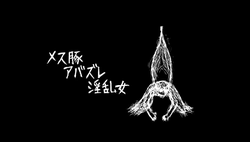
The most striking element is the aggressive and repeated use of the phrase "メス豚 アバズレ 淫乱女" (Bitch Bitch Bitch). This harsh label is hurled at those who, in the narrator's eyes, pursue fleeting pleasure without deeper meaning, "薄っぺらな愛を語るんだ" (They talk about shallow love). The narrator questions the validity of such pursuits, asking "気持ちよければ それでいーんか" (Is it okay as long as it feels good?). This aggressive language, juxtaposed with the narrator's own passive resignation, creates a jarring dissonance, revealing a deep-seated anger and disgust directed outward, perhaps as a defense mechanism against their own feelings of inadequacy.
Ultimately, these lyrics resonate through their raw, unfiltered expression of envy and self-loathing. The narrator's inability to move forward is projected onto others through venomous insults, creating a powerful, albeit uncomfortable, portrayal of someone trapped by their own insecurities. The repeated, almost desperate, questioning of "愛ってなんだ" (What is love?) underscores a profound disillusionment, leaving the listener with a sense of bitter isolation and unresolved frustration.