Song Meaning
The lyrics paint a bleak picture of self-deception and societal hypocrisy, opening with a stark admission: "愛されていたのは 君じゃなくて 僕自身さ" (It wasn't you I was loved by, but myself). This immediately sets a tone of profound isolation and a desperate need for external validation, even if it's directed at an imagined recipient. The narrator kneels, praying to the sky, a gesture of supplication that feels hollow given the preceding confession.
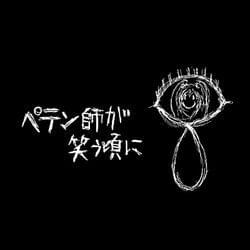
The core tension arises from a cynical view of human interaction, where sincerity is suspect and suffering is performative. Phrases like "騙され上手は床上手" (good at being fooled, good in bed) and "他人の不幸は蜜の味" (other people's misfortune tastes like honey) reveal a world where genuine connection is replaced by exploitation and voyeurism. The recurring image of the "ペテン師" (con man) laughing underscores this theme, suggesting a pervasive environment where deception thrives, preying on those who "安い不幸自慢" (proudly boast of cheap misfortunes).
The writing crafts a visceral sense of disgust through sharp, almost violent imagery. The "死にたがりのピエロ" (clown who wants to die) with a "マヌケ面" (foolish face) and the "アバズレ貴婦人まる裸" (slutty noblewoman completely naked) are grotesque figures embodying societal decay. The narrator's desire to "その醜い身体を忘れてしまいたい" (forget that ugly body) by the day after tomorrow suggests a deep self-loathing projected onto the world, a desperate wish for oblivion from perceived ugliness.
Ultimately, the effectiveness of these lyrics lies in their unflinching portrayal of a world devoid of genuine affection, replaced by a transactional, often cruel, dynamic. The final, brutal command, "死ね" (die), directed at "敬意ある君に" (you with respect), is a chilling culmination. It suggests that even the pretense of respect is a lie, and the narrator's profound disillusionment extends to any perceived recipient of their words, leaving a lingering sense of despair and nihilism.