Song Meaning
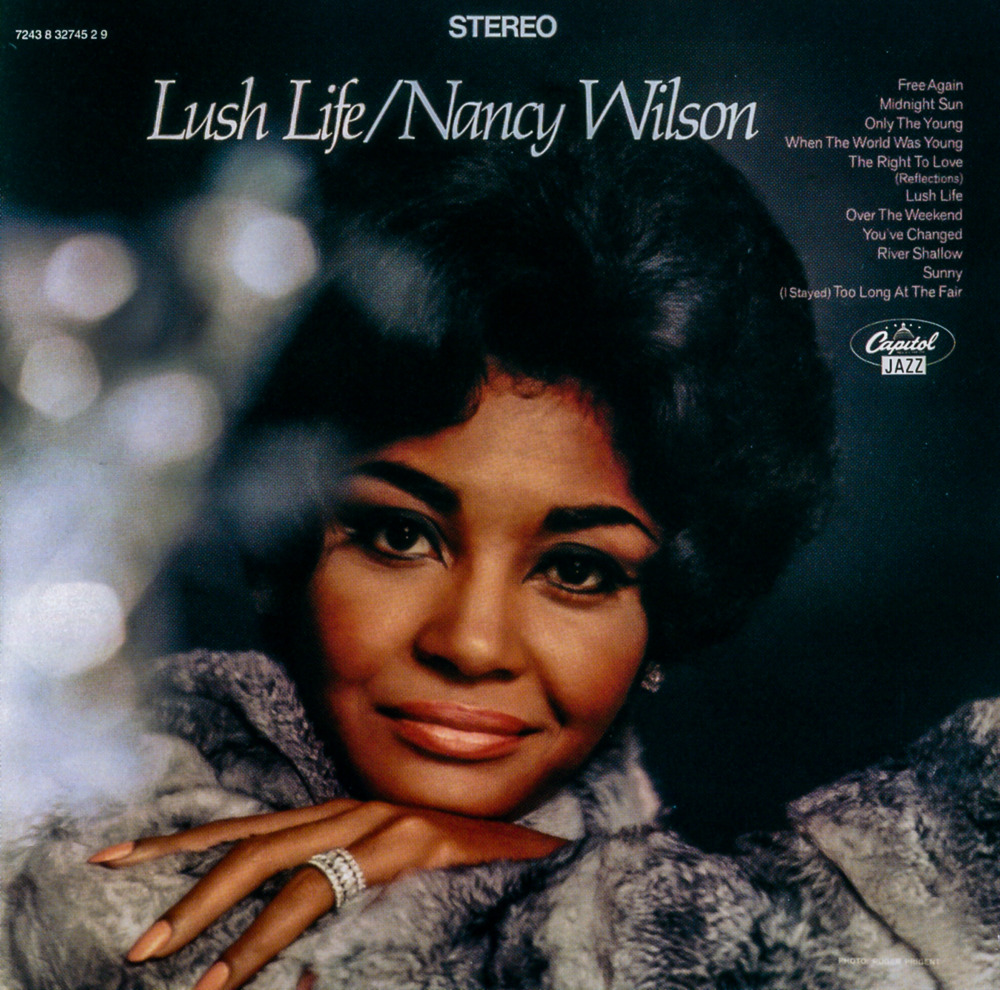
Nancy Wilson's rendition of "You've Changed" is a masterclass in quiet devastation, a subtle yet brutal autopsy of a love affair gone cold. The song meaning isn't buried in flowery language or dramatic pronouncements; instead, it's laid bare in the weary resignation of the singer's voice as she catalogs the subtle shifts in her partner's affection. The opening lines, delivered with almost conversational directness, set the stage for a heartbreaking revelation: a creeping suspicion, a "thought that's been a-stealing through my brain," that something is profoundly amiss. It's not anger or accusation that defines this moment, but a chilling premonition of impending loss. The narrator's observation that her partner is "bored" cuts deeper than outright hostility. It speaks to a fundamental disconnect, a lack of engagement that poisons the very foundation of their relationship.
The core of the song lies in the stark simplicity of the title phrase: "You've changed." This isn't a sudden transformation, but a gradual erosion of intimacy. "That sparkle in your eyes is gone," Wilson sings, followed by "Your smile is just a careless yawn." These aren't grand gestures of betrayal, but small, almost imperceptible signs of detachment that accumulate into a crushing weight. The shift from genuine affection to perfunctory obligation is what stings the most. The lyrics highlight the painful contrast between what was and what is, emphasizing the sense of irreversible decline. The bridge underscores the emotional chasm that has formed between them, highlighting forgotten words of love and ignored memories.
The final verse offers a stark acceptance of the inevitable. The line "You're not the angel I once knew" encapsulates the disillusionment that comes with recognizing the profound alteration in a loved one. There's no room for denial or false hope; the transformation is complete. The narrator acknowledges the end with a quiet finality: "No need to tell me that we're through / It's all over now." This isn't a battle cry or a plea for reconciliation, but a somber acknowledgment of loss. Wilson's interpretation of "You've Changed" captures the quiet anguish of watching a relationship crumble, not with a bang, but with the slow, agonizing drip of indifference. It's a song about the subtle betrayals of the heart, the unspoken farewells that leave the deepest scars.
 View Artist