Song Meaning
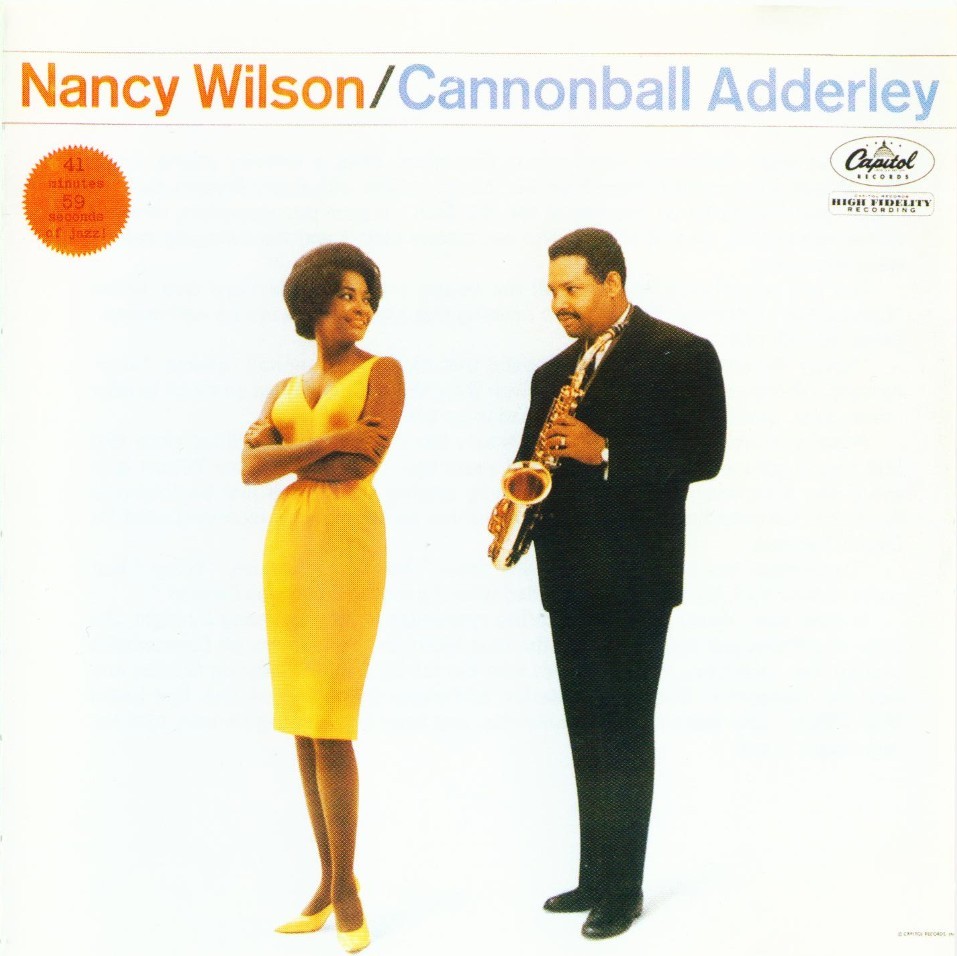
Nancy Wilson's rendition of "The Masquerade is Over" is a masterclass in the quiet devastation of love's slow fade. It's not a sudden explosion of heartbreak, but a chilling realization, delivered with a smoky, world-weary elegance. The song meaning hinges on the aching discrepancy between appearance and reality. The opening lines immediately establish a relationship hollowed out from within: 'Your eyes don't shine like they used to shine / And the thrill is gone when your lips meet mine.' This isn't about a dramatic betrayal; it's about the gradual erosion of passion, leaving behind only a shell. The 'masquerade' itself represents the pretense, the performance of love long after the genuine emotion has died. The partners are going through the motions, but the spark is irrevocably gone. It's a particularly brutal kind of ending, one where the familiarity and comfort become a suffocating reminder of what's been lost.
The lyrics analysis reveals a sophisticated understanding of emotional denial. The singer isn't raging or pleading; she's acknowledging a painful truth. The repetition of 'And so is love' in the chorus acts as a mournful punctuation, each iteration landing with increased weight. It's the sound of acceptance crashing down. The bridge, with its reference to Pagliacci, the tragic clown, elevates the song beyond a simple breakup lament. It introduces the idea of performing happiness while masking inner turmoil. The singer anticipates a future of forced smiles and concealed pain, a prospect perhaps even more daunting than the end of the relationship itself. This isn't just about losing a lover; it's about the potential loss of self in the aftermath.
Ultimately, "The Masquerade is Over" resonates because it captures the insidious nature of love's decline. It's not always loud arguments and dramatic confrontations that signal the end. Sometimes, it's the quiet absence of light in someone's eyes, the rote delivery of once-meaningful words. Wilson's interpretation, imbued with a subtle, almost resigned sorrow, underscores the song's core message: that the most heartbreaking goodbyes are often the ones whispered, not shouted. The final verse, with the line 'You look, you look the same, you're a lot the same / But my heart says 'No, no, you're not, you're not the same', is the crux of the song's power. It's the heart's quiet rebellion against the mind's attempt to cling to the familiar, a poignant acknowledgment that some things, once broken, can never truly be fixed.