Song Meaning
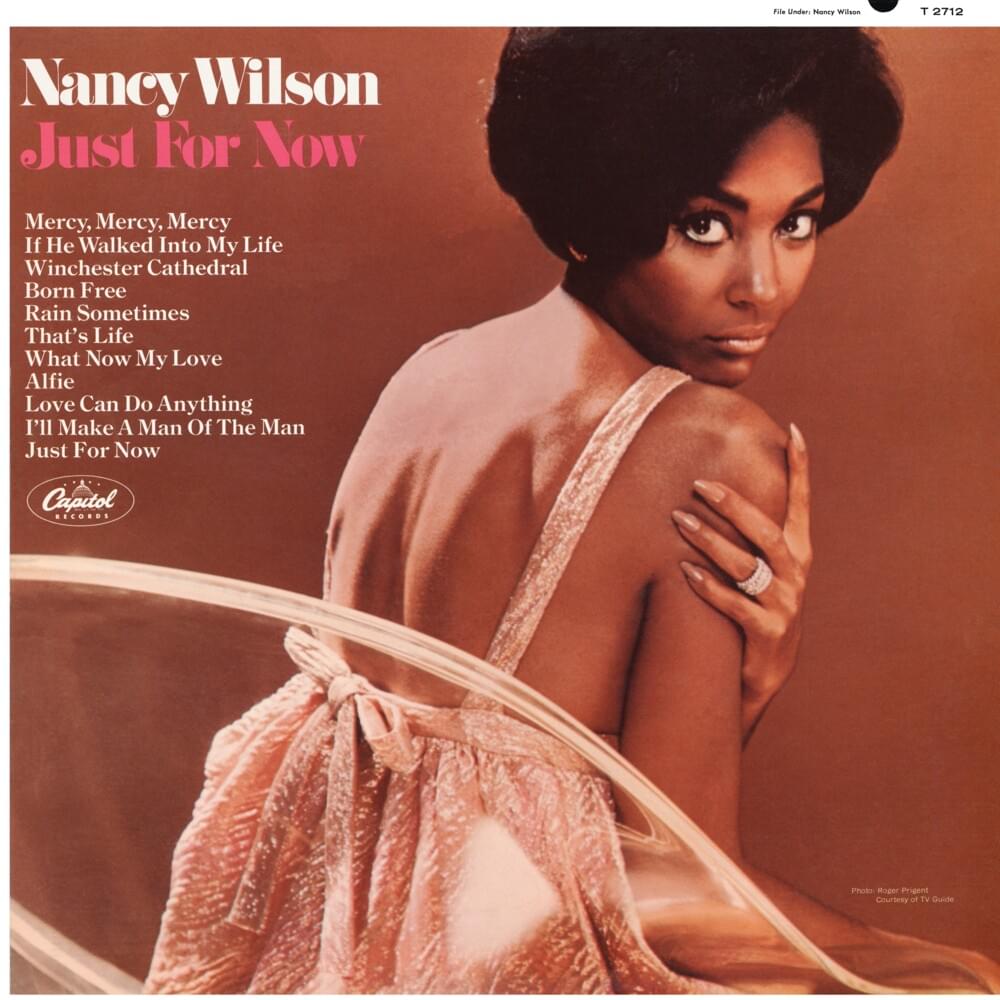
Nancy Wilson's rendition of "Winchester Cathedral" isn't just a wistful tune; it's a sharp, almost sardonic commentary on passive observation in matters of the heart. The famous cathedral, a symbol of steadfastness and historical weight, becomes the unlikely antagonist in this narrative of lost love. But it's not the building itself that's at fault, but what it represents: a silent, immobile witness to the narrator's heartbreak. The lyrics suggest a deep resentment toward this silent observer, a feeling that the cathedral *should* have intervened, rung its bells, and somehow prevented the departure of her lover. It's the personification of inaction, the embodiment of missed opportunities. And the repeated accusation, "You're bringing me down," underscores the psychological weight of this perceived betrayal, as she relives her pain, she sees the cathedral as a constant reminder of what could have been.
The song meaning spirals from simple lament to a potent critique of societal and personal responsibility. The cathedral, in its imposing grandeur, could symbolize any powerful institution or person that fails to act when intervention is crucial. There's an undercurrent of anger directed not just at the departed lover, but at the world at large for its indifference. The lyrics, though simple on the surface, hint at a much deeper well of emotion. It's not just about a relationship ending; it's about the crushing realization that sometimes, the most significant forces in our lives stand idly by while we suffer.
The brilliance of "Winchester Cathedral," as interpreted by Nancy Wilson, lies in its ability to transform a physical landmark into a potent metaphor for emotional abandonment and the crushing weight of inaction. The ringing bell, which never comes, is more than just a sonic device; it's a symbol of hope, of intervention, of a chance to alter fate. The lyrics analysis reveals a nuanced understanding of human psychology, exploring the tendency to project blame onto external forces when grappling with personal loss. Ultimately, the song resonates because it taps into a universal fear: the fear of being alone, unheard, and unseen in moments of profound vulnerability.
 View Artist