Song Meaning
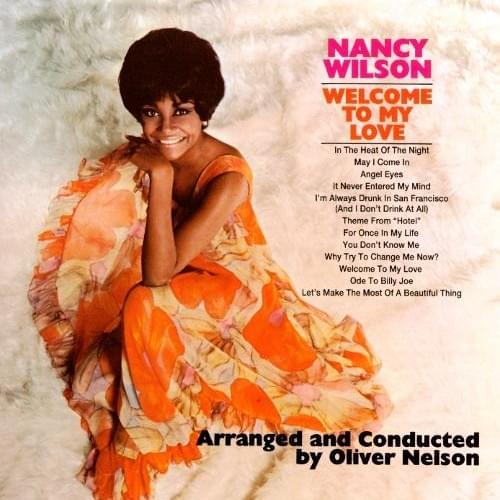
Nancy Wilson's rendition of "Why Try to Change Me Now?" isn't just a song; it's a studied defense of self. The lyrics paint a portrait of a person comfortably adrift from societal norms, embracing quirks and eccentricities with unapologetic fervor. This isn't rebellion for the sake of it, but rather a declaration of authenticity. The opening lines, 'I'm sentimental so I walk in the rain / I've got some habits even I can't explain,' set the stage for a character who finds solace and identity in the unconventional. The song's core question, 'Why try to change me now?' becomes a poignant challenge to anyone attempting to reshape her into something she's not. It’s a dare to accept her in her totality, flaws and all. The psychology at play here is fascinating. It’s the tension between the individual's need for self-expression and the societal pressure to conform.
The bridge offers a vulnerable glimpse behind the bravado. The lines 'Why can't I be more conventional? / People talk, people stare, so I try' reveal an awareness of judgment and a fleeting attempt to fit in. However, this desire is quickly dismissed: 'But that's not for me, 'cause I can't see / My kind of crazy world go passing me by.' This is the crux of the song's meaning: a conscious choice to prioritize personal fulfillment over external validation. Wilson's delivery imbues these lines with a sense of defiant acceptance, suggesting that true happiness lies in embracing one's unique perspective, even if it means facing criticism.
Ultimately, "Why Try to Change Me Now?" is a love song, but not in the traditional sense. It's a plea for unconditional acceptance within a relationship. The final verse, 'You know I love you 'til the moon's upside down / Don't you remember I was always your clown?' suggests a history of being loved for her unconventional spirit. The song's power lies in its ability to resonate with anyone who has ever felt pressured to change who they are for someone else. It's a reminder that true love and acceptance come from embracing, not altering, the essence of a person.
 View Artist