Song Meaning
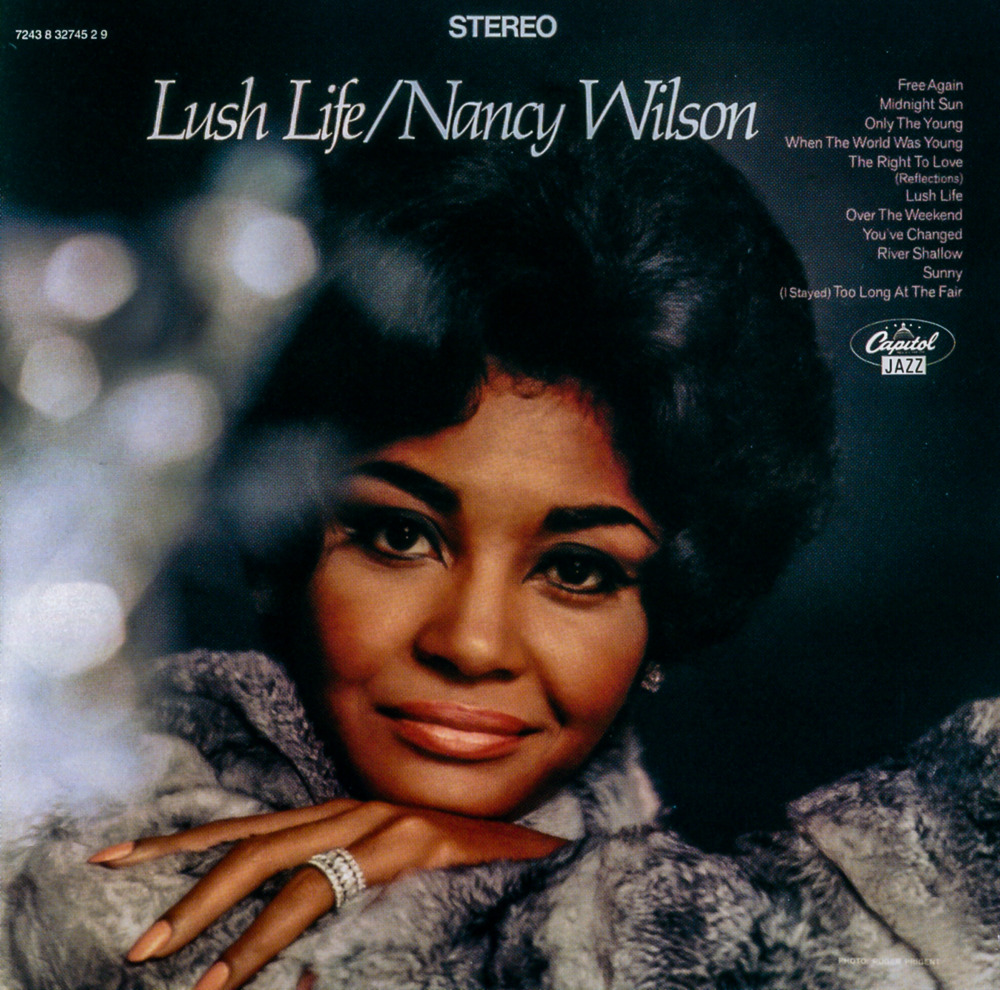
Nancy Wilson's rendition of "When the World Was Young" isn't just a nostalgic waltz; it's a poignant reflection on the fractured self, split between youthful innocence and the performed identity of adulthood. The opening lines drip with a consciously constructed persona. She's 'Coquette,' 'Mademoiselle,' 'le grande femme fatale' – all roles she readily admits to enjoying. There's a theatricality to her Parisian existence, a carefully curated image of the 'darling of all.' But beneath the surface of champagne bubbles and admiring glances lurks a disquieting question: 'Where is the schoolgirl that used to be me?' This sets the stage for the core tension of the song: the chasm between the woman she is and the girl she once was.
The verses then transport us to a seemingly idyllic past, a hazy memory of 'apple trees,' 'garden teas,' and 'dresses of shantung.' These images evoke a sense of naive wonder and carefree joy, a stark contrast to the sophisticated artifice of her present life. The mention of getting stung by bees introduces a subtle hint of the pain and disillusionment that inevitably accompany the loss of innocence. The past isn't presented as perfect, but as authentic, a time when the self was whole and unburdened by the weight of expectation.
The recurring motif of 'when the world was young' serves as both a temporal marker and a symbolic representation of a lost state of being. It's not just about a time in the past, but a quality of perception, a way of experiencing the world with unfiltered emotion and boundless possibility. The longing in Wilson's voice suggests that the price of sophistication may be the forfeiture of something essential, a connection to the unadulterated self that existed 'just a dream ago.'
 View Artist