Song Meaning
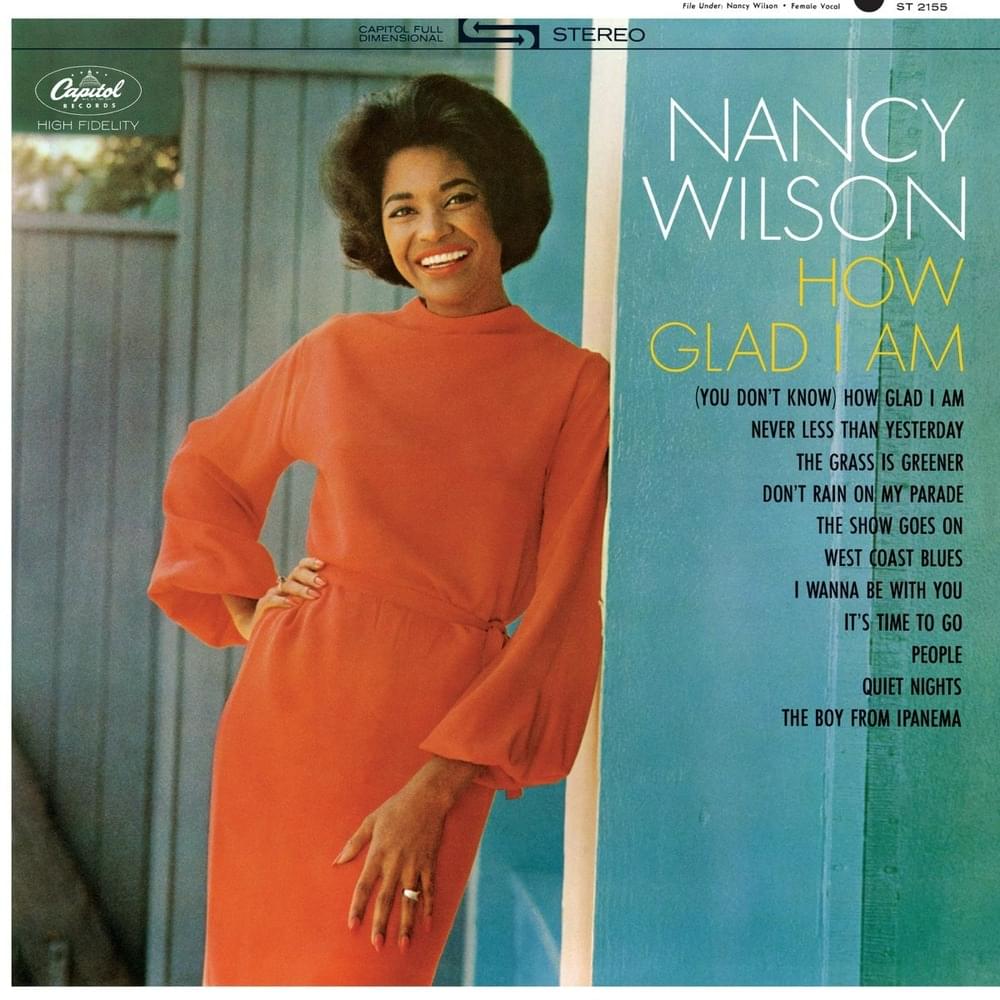
Nancy Wilson's "The Grass Is Greener" isn't a lament about envy, but rather a celebration of perspective and companionship. The song cleverly reframes the well-worn idiom, transforming it from a statement of dissatisfaction into an optimistic declaration of contentment found in shared experiences. The repeated invitation to seek out "where the grass is greener" isn't a literal call for geographic change, but a metaphorical yearning for a space free from negativity, where "no one [is] bursting bubbles." This space, crucially, is defined not by its inherent qualities, but by the presence of a significant other.
The lyrics dismantle the idea that happiness resides in external circumstances. Instead, the song posits that a positive mindset, amplified by a strong bond, can transform any environment into a paradise. The lines "To the East, to the West, either one is the best / For the grass is greener anywhere with you" are the core of the song's meaning, highlighting that the location is irrelevant; the crucial element is the shared journey and the unwavering support of a loved one. It's a rejection of the constant pursuit of an idealized 'elsewhere', and an embrace of the potential for joy in the present moment, wherever that may be, as long as it's shared.
"The Grass Is Greener" acknowledges that troubles are inevitable ("We'll laugh it up at troubles there"), but suggests that with the right partner, those troubles become manageable, even laughable. It is this resilience, born from a supportive relationship, that truly makes the grass greener. The song's simplicity is its strength; it's a reminder that happiness is often a choice, a shift in perspective, and a recognition of the value of human connection. Nancy Wilson delivers a buoyant, almost childlike optimism, suggesting that the secret to a fulfilling life isn't about finding the perfect place, but about creating a perfect space with someone you love.
 View Artist