Song Meaning
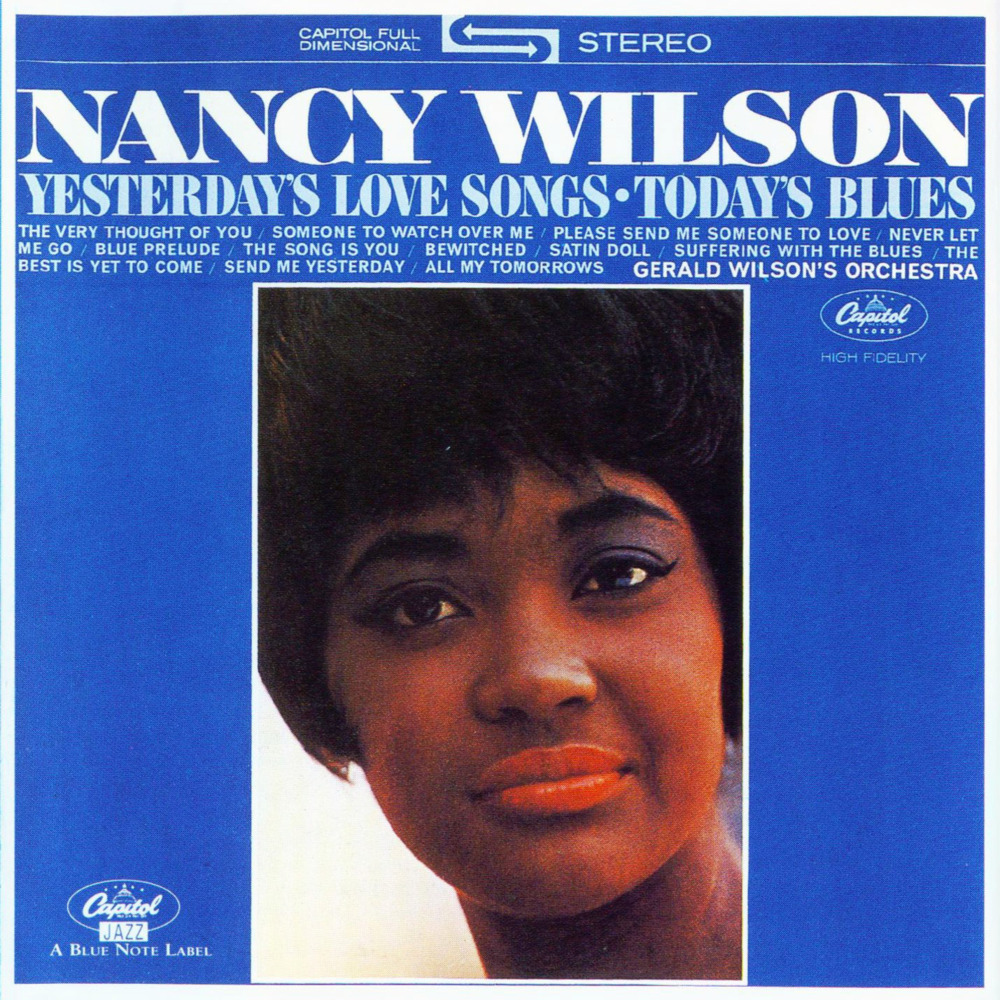
Nancy Wilson's plea in "Send Me Yesterday" is a raw, elemental cry for lost love, a sentiment that transcends genre and generation. It’s not just heartbreak; it's a visceral unraveling in the face of absence. The opening lines, seemingly simple greetings to the sun, quickly twist into an accusation. The sun, usually a symbol of constancy and hope, is interrogated, deemed inadequate because 'he wore no clouds of grey'—a stark contrast to the singer's present emotional state. This immediate juxtaposition sets the stage for a deeper exploration of grief's disorienting power. The speaker isn't merely sad; she's fundamentally unmoored.
The core of the song meaning lies in the impossible request: 'send me yesterday.' It’s a yearning for a time before the pain, a desperate desire to rewind and undo the rupture. The sun becomes a reluctant confidant, burdened with the impossible task of reversing time. The repeated question – 'Where or when will I see him again?' – underscores the agonizing uncertainty that often accompanies loss. It's the not-knowing, the endless loop of questioning, that amplifies the suffering. Wilson distills this agony down to its most potent form: 'If I can't have him I will die.' This isn't mere melodrama; it's the stark admission of a soul whose will to live is inextricably linked to another person.
The final verse shifts slightly, introducing the moon as a potential ally in combating the 'lonely blues.' The singer appeals to the celestial bodies, suggesting that even the vastness of the universe should conspire to alleviate her pain. 'Lighten my world again' is both a plea and a challenge, a demand for the return of joy and a life unburdened by sorrow. The closing lines reiterate the central theme: the desperate desire to reclaim the past, to be sent back to a time when love was present and whole. Ultimately, "Send Me Yesterday" is a powerful meditation on the all-consuming nature of love and the devastating impact of its absence, a sentiment that resonates with anyone who has experienced the profound ache of loss.
 View Artist