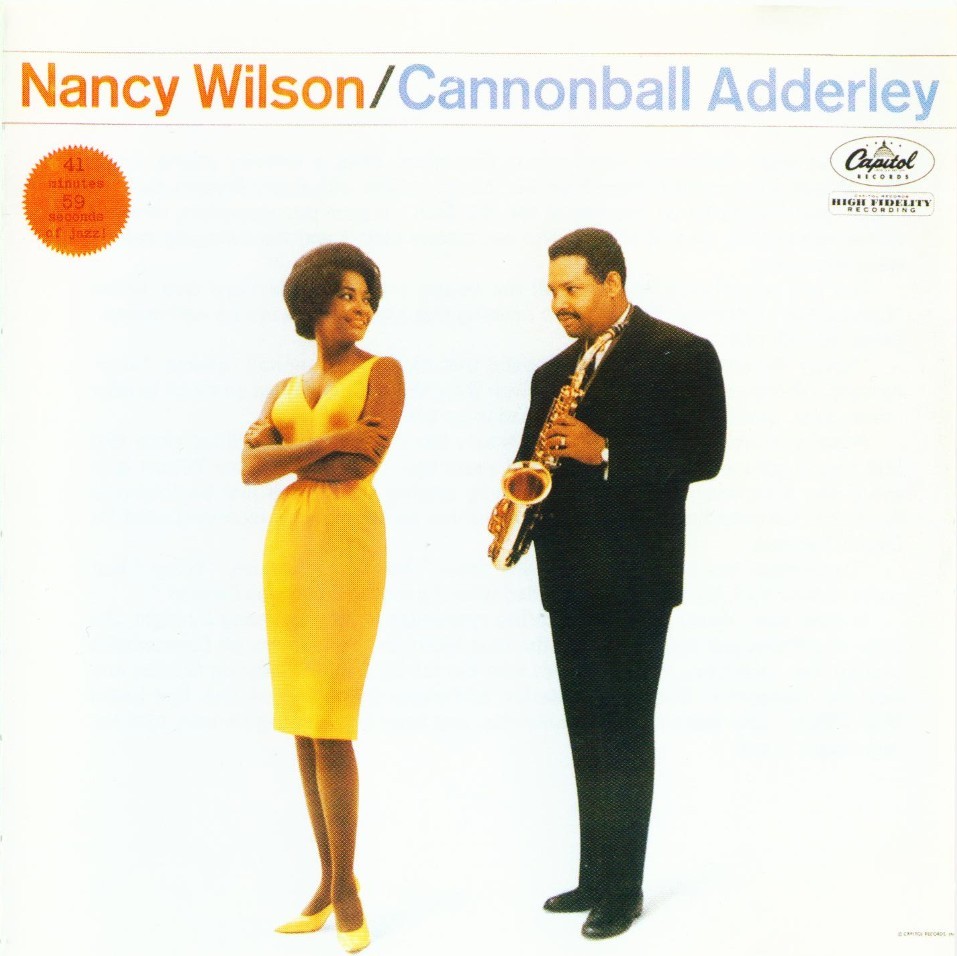
Song Meaning
Nancy Wilson's stark proclamation, "Never Will I Marry," isn't just a rejection of matrimony; it's a fierce embrace of autonomy, bordering on existential rebellion. The song, distilled to its essence, presents a worldview where personal freedom trumps societal expectations. The repeated vow, "Never, never will I marry," becomes a mantra, a shield against the perceived constraints of conventional life. It's a solitary stance, defiant in its simplicity. The lyrics sketch a portrait of a soul not seeking partnership but rather a limitless horizon, trading the warmth of companionship for the vastness of individual experience. "Wide my world, narrow my bed" isn't a lament; it's a chosen equation. The physical intimacy of a relationship is deliberately contrasted with the expansive possibilities of an unburdened life.
The bridge offers a glimpse into the psychology driving this decision. "No burdens to bear, no conscience, no care, no memories to mourn" suggests a conscious avoidance of emotional entanglement and the potential for regret. It’s a desire to exist solely in the present, unencumbered by the past or future obligations. This isn't necessarily coldness, but rather a self-protective mechanism, a recognition that vulnerability can lead to pain. The saxophone solo, in its mournful cry, hints at the underlying sadness that perhaps fuels this need for independence. It’s a wordless expression of the sacrifices inherent in choosing such a path, acknowledging the loneliness that may accompany the freedom.
Ultimately, "Never Will I Marry" is a complex exploration of self-determination. It’s a song that resonates with anyone who has ever questioned the prescribed path, who has felt the pull of the open road more strongly than the comfort of domesticity. While it may appear outwardly as a simple rejection of marriage, a deeper lyrics analysis reveals it to be a profound statement about the value of individual liberty and the acceptance of solitude as a valid, even empowering, life choice. The song's core message isn't anti-love; it's pro-choice, asserting the right to define one's own existence, regardless of societal norms. It is a song about the beautiful desolation of choosing yourself above all else.