Song Meaning
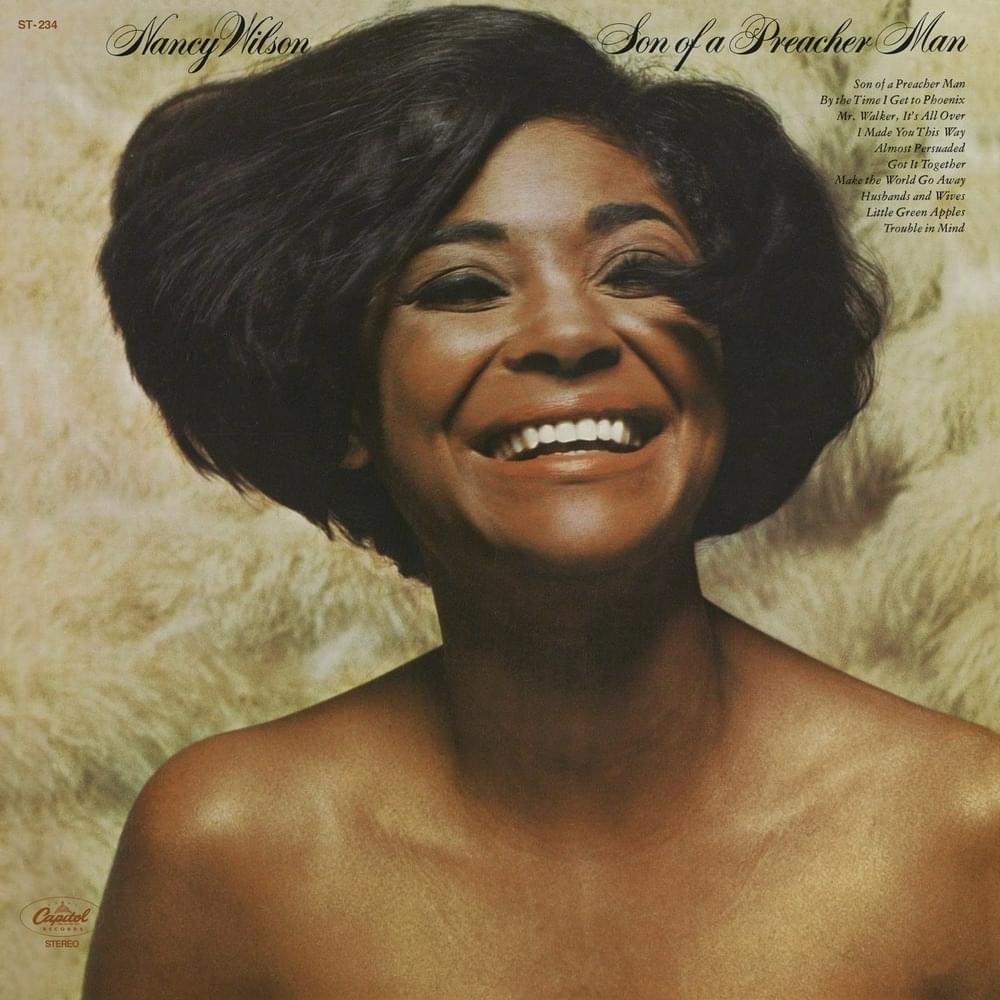
Nancy Wilson's rendition of "Make the World Go Away" isn't just a plea for escapism; it's a raw, exposed nerve of regret and the yearning for emotional absolution. The simplicity of the lyrics belies a complex undercurrent of personal failing and the crushing weight of external pressures. The repeated chorus, "Make the world go away / And get it off my shoulders," isn't merely a desire to retreat; it's a desperate attempt to shed the burden of responsibility and consequence. The world, in this context, represents not just global issues, but the sum total of mistakes and external forces that have eroded a once-stable relationship. It's a powerful metaphor for the anxieties and stressors that pile up, suffocating genuine connection. The song meaning hinges on the contrast between the present state of burdened disconnection and a remembered past of uncomplicated love.
The verses serve as a stark confession of personal failing. The lines "Do you remember when you loved me / Before the world took me astray?" are a gut-wrenching acknowledgment of a deviation from a previously shared path. The speaker isn't blaming the world entirely, but rather recognizing its corrupting influence and their own susceptibility to it. There's a palpable sense of self-awareness in the plea, "If you do then forgive me." This isn't a demand for forgiveness, but a humble request, recognizing the damage inflicted. The subsequent apology, "I'm sorry if I hurt you / I'll make it up day by day," further underscores the speaker's remorse and commitment to reconciliation, even if the path back seems daunting. This section of the lyrics analysis reveals a desire for redemption.
Ultimately, "Make the World Go Away" is a song about the fragility of relationships in the face of worldly pressures and personal shortcomings. It's a testament to the enduring power of forgiveness and the yearning for a return to a simpler, more authentic connection. Wilson's delivery, presumably imbued with vulnerability, amplifies the emotional core of the song, transforming it from a simple country ballad into a profound exploration of regret, redemption, and the enduring human need for love and acceptance. The repeated request to "Say the things you used to say" is a poignant reminder of the comfort and security found in familiar words of affection, a balm against the harsh realities of a world that has gone astray.
 View Artist