Song Meaning
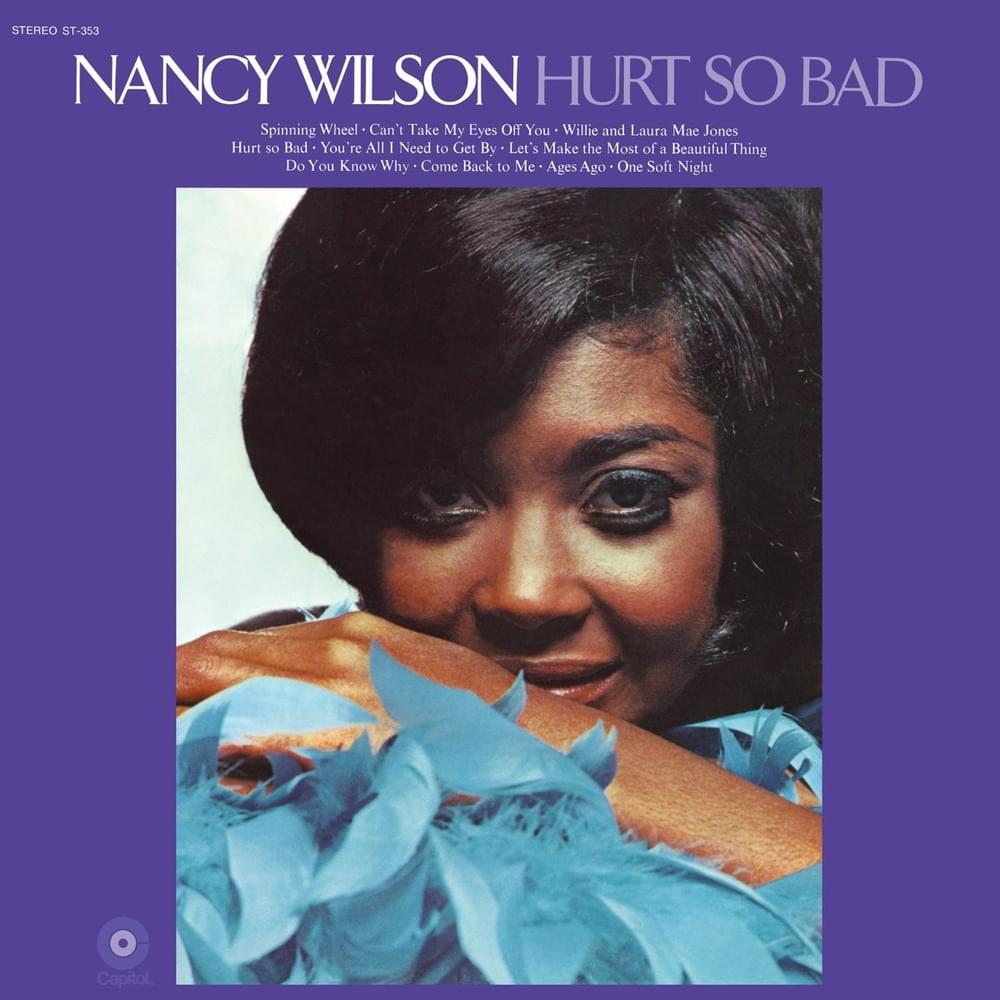
{"song_id": 12700111, "meaning": "Nancy Wilson's rendition of \"Can't Take My Eyes Off You\" isn't just a love song; it's a study in the intoxicating, almost disorienting, power of idealized infatuation. The lyrics paint a picture of someone so overwhelmed by the object of their affection that reality itself seems to bend. The repeated refrain, \"You're just too good to be true,\" isn't merely a compliment; it's an expression of disbelief, a fragile acknowledgement that this perfect vision might be a projection, a fantasy too exquisite to be real. The singer is caught in a paradox, desperate to believe in the connection while simultaneously bracing for the inevitable fall from grace. This tension elevates the song beyond simple adoration. It's a portrait of vulnerability, where the sheer intensity of longing creates a precarious emotional state.
The lyrics subtly hint at a deeper insecurity. Lines like \"Pardon the way that I stare\" and \"There's nothing else to compare\" suggest a sense of unworthiness, as if the singer is surprised and perhaps undeserving of this connection. This vulnerability is further amplified in the chorus with the plea, \"don't bring me down, I pray,\" revealing a fear of disappointment and a fragile self-esteem dependent on the validation of the loved one. This transforms the song from a declaration of love into a plea for acceptance. The phrase \"trust in me when I say\" indicates the singer's awareness of their own vulnerability, and their need for reciprocation in the relationship.
Ultimately, the song meaning resides in the precarious balance between hope and fear. The initial verses revel in the euphoria of newfound love, but the chorus introduces a shadow of doubt, a desperate need for reassurance. The song captures the dizzying heights and potential pitfalls of early romance, when the line between reality and fantasy blurs, and the fear of shattering the illusion looms large. Nancy Wilson's delivery enhances this sense of fragility, making \"Can't Take My Eyes Off You\" not just a celebration of love, but a poignant exploration of the human need for connection and the anxieties that accompany it."}
 View Artist