Song Meaning
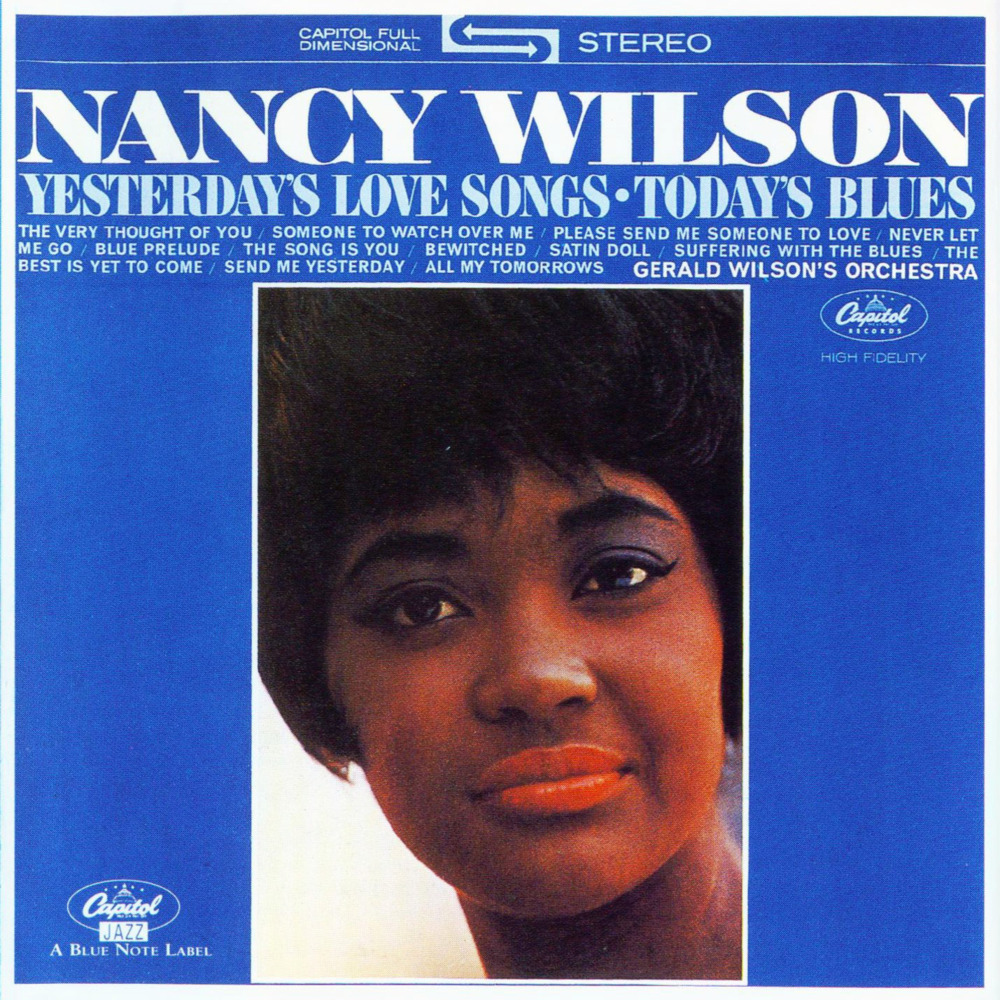
Nancy Wilson's "Blue Prelude" isn't just a song; it's an elegant, world-weary sigh. The track immediately establishes a mood of resignation, a sonic portrait of a soul utterly depleted. The opening lines, "Let me sigh, let me cry when I'm blue / Let me go 'way from this lonely town," function as both a plea and a declaration. It's a request for emotional space, coupled with the firm intention to escape a place—both physical and metaphorical—that offers nothing but pain. This isn't a sudden outburst of grief; it's the considered departure of someone who has meticulously weighed their options and found them all wanting. The lyric, "'Cause I know I'm on my last go round" suggests a history of heartbreak and failed attempts to find solace. It's the blues distilled to their most potent, melancholic essence. The song meaning centers on the idea of love as a flawed transaction.
The heart of "Blue Prelude" lies in its unflinching assessment of love's potential for destruction. Wilson sings, "All the love I could steal, beg, or borrow / Wouldn't heal all this pain in my soul." This isn't a naive lament; it's a seasoned observation. The singer understands that love, in its various forms, is ultimately insufficient to mend deep-seated wounds. The rhetorical question, "What is love but a prelude to sorrow? / With a heartbreak ahead for your goal," is less a query and more a statement of fact, a personal truth gleaned from experience. This perspective casts a shadow over the entire song, framing it as a farewell not just to a person or place, but to the very idea of romantic fulfillment. It's a raw admission of vulnerability.
Ultimately, "Blue Prelude" finds its power in its quiet finality. The repetition of "I got the blues, what can I lose? / Goodbye" in the outro is not a dramatic flourish, but a simple, almost understated acceptance. There's a sense of liberation in letting go, in acknowledging that the pain has become too great to bear. The question "what can I lose?" implies that everything of value has already been lost, leaving only the freedom to walk away. Nancy Wilson delivers this with a poignant blend of strength and sorrow, solidifying "Blue Prelude" as a masterful exploration of heartbreak's quiet devastation and the bittersweet solace of goodbye.
 View Artist