Song Meaning
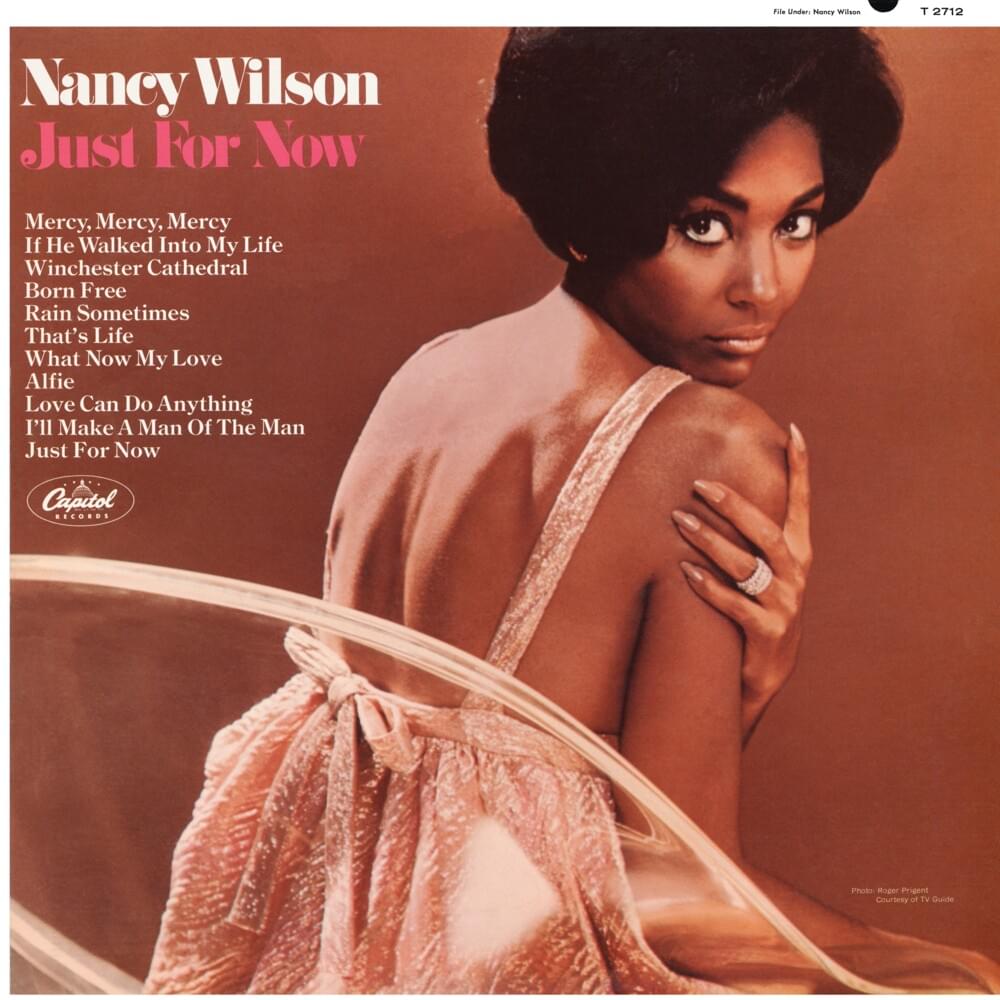
Nancy Wilson's rendition of "Alfie" isn't just a song; it's a philosophical probe disguised as a ballad. The central question, "What's it all about, Alfie?" echoes through the decades, resonating with anyone who's ever paused to consider the human condition. Wilson's interpretation, imbued with her signature warmth, transforms the query from a detached observation into an intimate plea.
The lyrics cut deep, exploring the dichotomy between self-preservation and altruism. "Are we meant to take more than we give, or are we meant to be kind?" This isn't a saccharine call for universal love; it's a raw, almost cynical, examination of human nature. The song acknowledges the potential foolishness in kindness, the vulnerability it exposes. The line, "if only fools are kind, Alfie, then I guess it's wise to be cruel," is a stark reflection of a world where empathy is often mistaken for weakness. It dares to ask if a calculated ruthlessness is the only path to survival.
Yet, amidst this existential questioning, "Alfie" ultimately lands on a message of hope, a belief in the transformative power of love. Wilson's voice, both powerful and tender, conveys a conviction that transcends the initial cynicism. The song asserts that without love, we merely exist, underscoring love as not just an emotion, but a fundamental requirement for a meaningful life. The closing lines, "When you walk let your heart lead the way, and you'll find love any day, Alfie, Alfie," serve as a gentle directive, a reminder that despite the complexities and potential cruelties of the world, love remains a guiding force, a beacon that can illuminate even the darkest paths. The song's meaning lies in this tension between cynicism and hope, a tension that defines the human experience itself.
 View Artist