Song Meaning
Nana Mouskouri's "More Than Mere Tales" is a raw, emotionally direct plunge into the depths of romantic longing. Sung entirely in Spanish, the lyrics bypass complex metaphors, opting instead for a stark portrayal of love as both salvation and inescapable need. The opening lines, a plea to "love me much, sweet love of mine," immediately establish a dynamic of supplication, a vulnerability laid bare. This isn't a detached observation of love; it's a visceral demand for affection as a remedy against suffering. The repetition of phrases emphasizes the obsessive nature of the speaker's desire. "I will always adore you as a lover" isn't a promise as much as a declaration of dependence. The song's meaning hinges on this imbalance, this acknowledgement of a need so profound it borders on desperation.
The core of the song meaning resides in the impossibility of separation. The lines "When one truly loves, as I love you / It is impossible, my heaven / To live so apart" form the emotional crux. The phrase "my heaven" (mi cielo) is telling; it elevates the beloved to an almost divine status, suggesting that their presence is not merely desired but essential for the speaker's well-being. This idealization, while romantic, hints at a potential for codependency, where the lover's absence becomes an unbearable torment. The repetition of this sentiment reinforces the idea of love as an all-consuming force, one that defies reason or practicality.
The final verse brings the song full circle, returning to the theme of solace through physical affection. "And with your kisses / And your caresses / My sufferings I will silence" underscores the idea that love, in this context, is a form of self-medication. Kisses and caresses aren't just expressions of intimacy; they are the only means of alleviating pain. The cyclical nature of the lyrics – beginning and ending with a focus on the lover's ability to quell suffering – suggests a closed loop, a relationship defined by need and dependence rather than mutual growth or independence. The song's beauty lies in its unflinching depiction of this emotional landscape, a portrait of love as both a refuge and a potential prison.
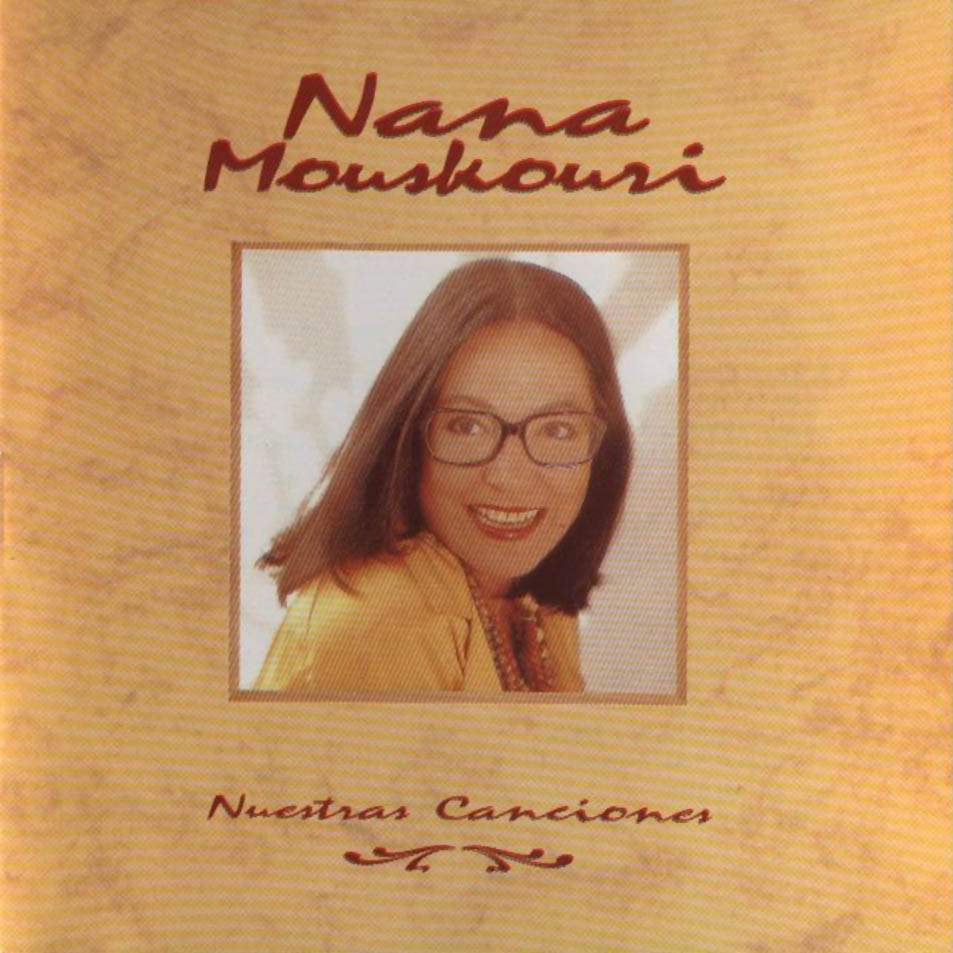
 View Artist