Song Meaning
Nana Mouskouri's rendition of "Amapola" transcends a simple love song, instead acting as a delicate, almost desperate plea for connection. The constant repetition of "Amapola, lindísima amapola" (meaning "poppy, very beautiful poppy") isn't just a sweet nothing; it's an invocation. The singer isn't merely admiring beauty; they're attempting to break through an emotional barrier. The poppy, a flower often associated with remembrance and sometimes oblivion, becomes a symbol of the beloved's perceived isolation. The speaker seems to view this 'Amapola' as tragically self-contained.
The lyrics reveal a yearning that borders on anxiety. The lines "No seas tan ingrata, mírame" ("Don't be so ungrateful, look at me") inject a subtle note of accusation, hinting at a perceived rejection or indifference. This isn't a confident declaration of love; it's a vulnerable expression of need. The question "Cómo puedes tu vivir tan sola" ("How can you live so alone?") exposes the speaker's deep concern, but also perhaps their own fear of loneliness reflected onto the 'Amapola.' The song subtly navigates the complex terrain of desire, hinting at the speaker's fear of being alone and unloved.
Ultimately, the meaning of "Amapola" in Mouskouri's interpretation isn't just about romantic love. It's a meditation on the human condition, our innate desire for connection, and the pain of perceived isolation. The 'Amapola' is both the object of affection and a mirror reflecting the speaker's own vulnerabilities and anxieties about being alone in the world. It is a haunting exploration of love's potential to both heal and wound, to bring us closer or highlight the distances between us.
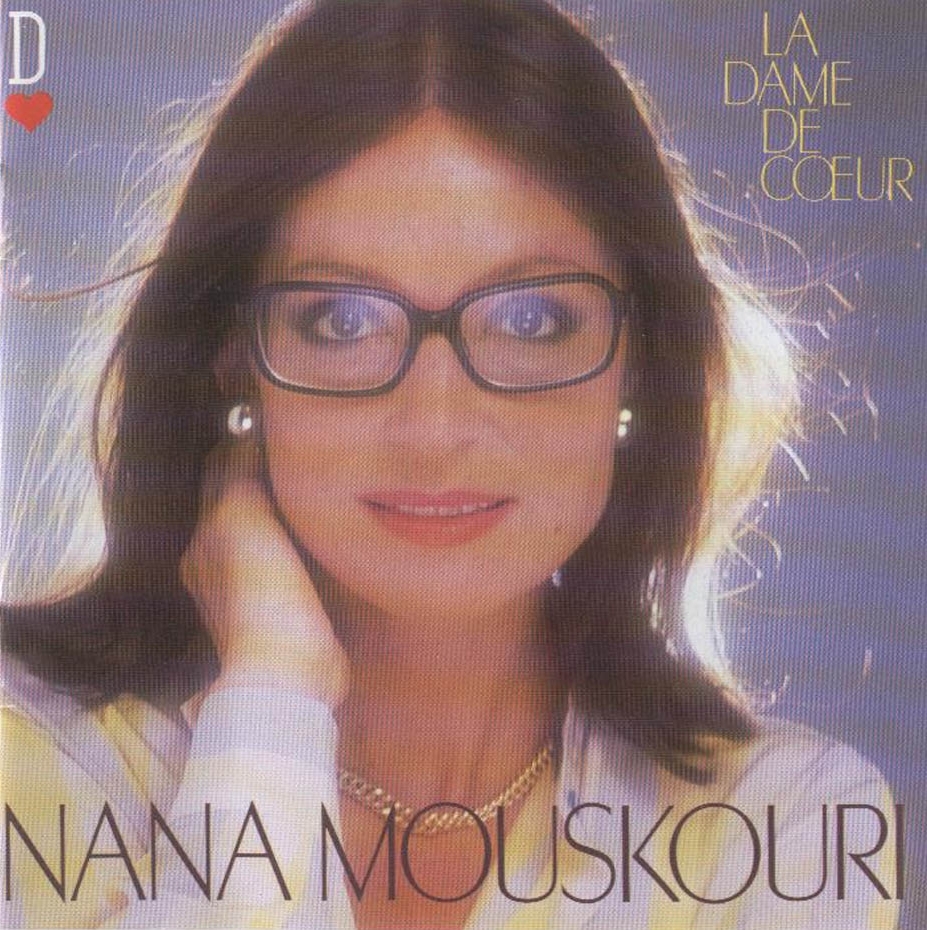
 View Artist