Song Meaning
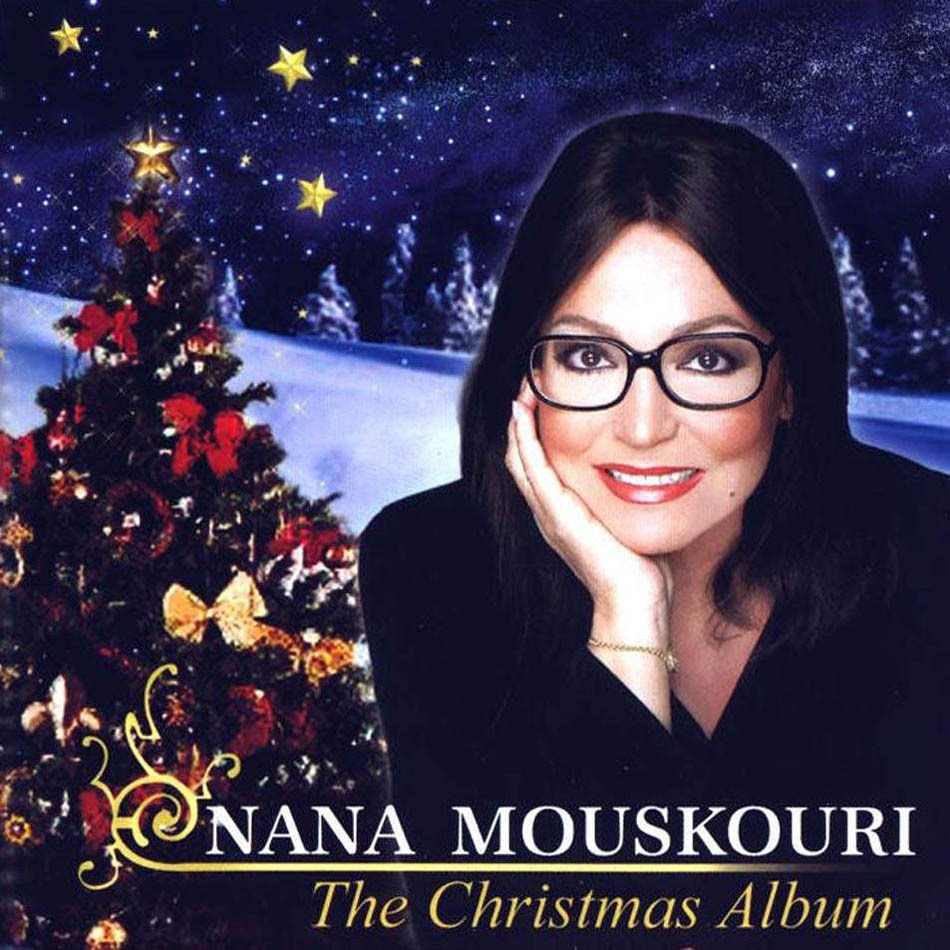
Nana Mouskouri's "L'Enfant Au Tambour" isn't just a Christmas carol; it's a deceptively simple exploration of loss, faith, and the innocent hope that resides even in the face of profound grief. The persistent "parum pum pum pum" mimics the relentless march of time and the persistent beat of a child’s heart, carrying both sorrow and anticipation. The song meaning unfolds as a dialogue between the child and the world, revealing a journey born from paternal absence. The lyrics reveal that his father followed a drum, implying he went to war.
The child's journey "to heaven" to return his drum for his father's return is not a literal trip but rather a symbolic act of devotion. It is a child's attempt to bargain with the universe, offering the most precious thing he possesses – his toy, his joy – in exchange for the return of a lost loved one. This heartbreaking exchange highlights the raw, unfiltered faith of childhood, a belief so pure it transcends logic. The repetition underscores the almost obsessive nature of grief, the way a child fixates on a single idea, a single hope, to cope with an unbearable reality.
The resolution, where angels echo the child's drumming and declare the father's return, is ambiguous. Is it a literal miracle, or a dream born from overwhelming longing? The final image of the child awakening upon his drum leaves the listener suspended between hope and sorrow. Mouskouri doesn't offer easy answers; instead, she presents a poignant meditation on the power of belief, the resilience of the human spirit, and the enduring echo of loss in the heart of a child. The song operates on a deeply psychological level, tapping into our primal understanding of love, loss, and the comforting, sometimes illusory, nature of hope.
 View Artist