Song Meaning
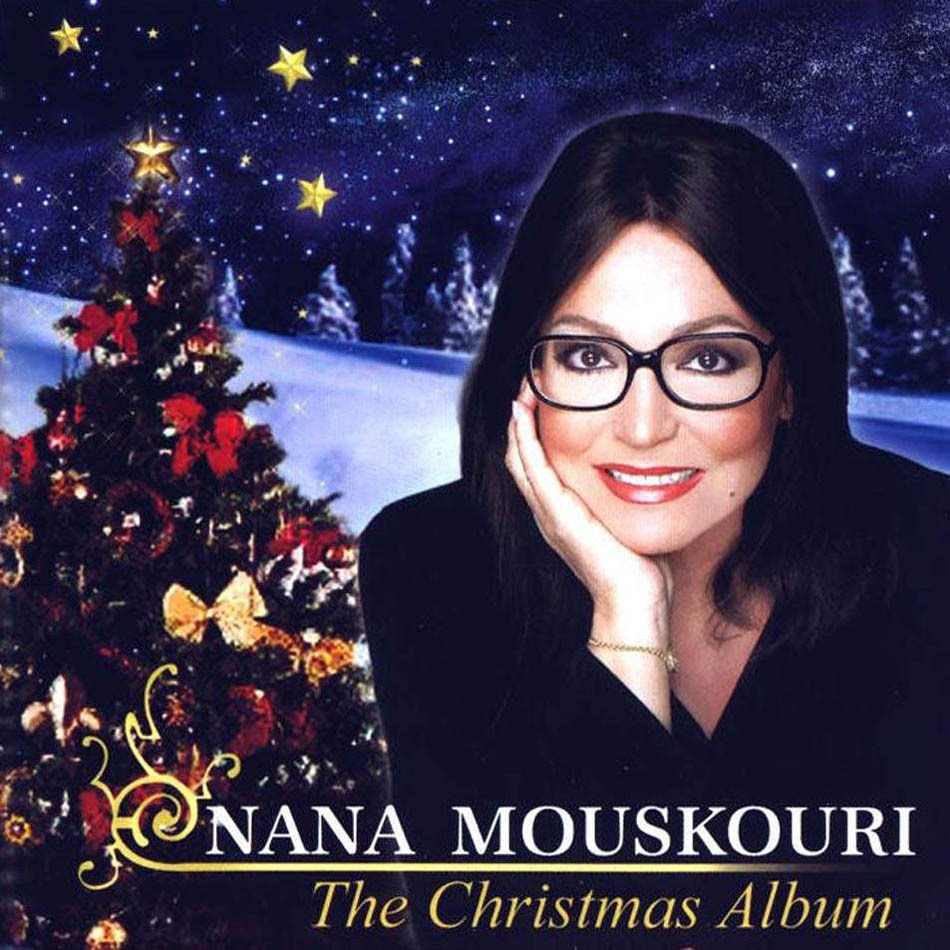
Nana Mouskouri's rendition of Gounod's "Ave Maria" transcends simple religious invocation; it’s a sonic exploration of faith's multifaceted relationship with human vulnerability. The lyrics, a direct excerpt from the Latin Catholic prayer, are deceptively simple. Yet, Mouskouri’s interpretation, driven by her crystalline soprano, unlocks layers of meaning about supplication, grace, and the ever-present awareness of mortality. The repetition of "Ave Maria, gratia plena" (Hail Mary, full of grace) acts as a mantra, a sonic grounding in the face of life's uncertainties. It's not just praise but a desperate clinging to the hope of divine intervention. The song meaning coalesces around the plea for intercession: "Ora pro nobis peccatoribus" (Pray for us sinners).
The brilliance of Mouskouri's performance lies in her ability to convey both reverence and a profound understanding of human fallibility. The musical arrangement, spare and uncluttered, allows the weight of the lyrics to resonate. It's a sonic portrait of humility, recognizing our inherent imperfections and the need for something greater than ourselves. The repeated entreaty, "Et in hora mortis nostrae" (And in the hour of our death), isn't morbid; it’s a stark acknowledgment of our shared destiny. It frames the prayer not just as a comfort in life, but as a preparation for the inevitable. The song, therefore, becomes a meditation on the human condition, viewed through the lens of faith.
Ultimately, Mouskouri's "Ave Maria" achieves a rare feat: it transforms a traditional religious text into a deeply personal and universally resonant experience. It is a reminder that faith, at its core, is about confronting our own limitations and seeking solace in the face of the unknown. Through the purity of her voice, Mouskouri invites listeners to contemplate their own mortality and find peace in the promise of grace. The song's enduring power stems not just from its religious significance, but from its profound understanding of the human heart.
 View Artist