Song Meaning
It's been "um ano e meio amor" since the speaker's home collapsed, a specific timeline that underscores lingering pain. The lyrics immediately establish a scene of profound domestic loss. What remains are intimate objects and a crushing emotional weight. This isn't just a breakup; it's a foundational undoing.
The core tension lies in what's left behind: a thrush, a guitar, and "uma cruel desilusão." These tangible comforts are overshadowed by the abstract, persistent pain. The repetition of "pra machucar meu coração" emphasizes how these remnants serve as constant reminders, actively wounding the speaker's heart rather than offering solace. The past isn't just gone; it's actively inflicting damage in the present.
The verbatim repetition of the opening stanza isn't just for emphasis; it mirrors the cyclical nature of grief, a memory loop that keeps replaying the moment of collapse. This structural choice powerfully conveys how the "cruel desilusão" isn't a fleeting emotion but a persistent state. The phrase "Foi tudo que ficou, ficou" hammers home the idea that these painful remnants are the entirety of what endures.
The lyrics pivot from lament to a profound, if tentative, acceptance: "Quem sabe não foi bem melhor assim." This rhetorical question suggests a search for meaning in the wreckage. The final lines elevate the personal heartbreak into a universal lesson, framing life as a school where one must master the art of living to avoid suffering. It's not about avoiding pain entirely, but about finding a "science" to navigate existence, a hard-won wisdom born from deep loss.
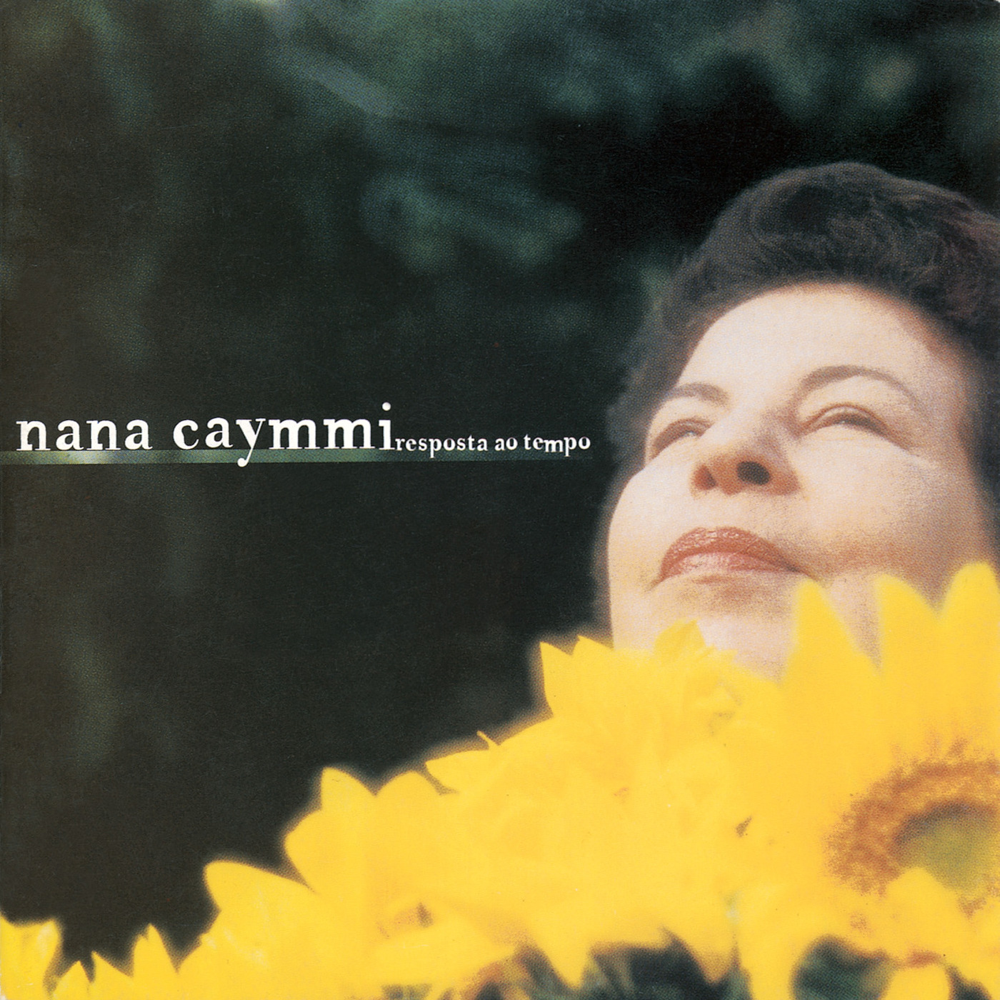
 View Artist