Song Meaning
The lyrics present a stark, almost confrontational plea against external validation and blind conformity. The opening lines, "Don't let me in your house. Don't let me get inside you," immediately establish a boundary, suggesting the narrator is a destructive force or a dangerous idea that the listener should resist. This isn't about physical entry, but about internalizing external pressures that lead to self-betrayal. The narrator challenges the listener's motivations for changing, asking pointed questions about seeking acceptance and valuing others' opinions over their own authentic self. It's a call to self-reliance, warning that looking to others for answers will lead to "becom[ing] somebody else."
The central tension lies in the listener's fluctuating identity, caught between "rebelling" and "conform[ing]." The narrator questions the authenticity of the listener's actions and allegiances, probing whether the people they follow truly warrant their "respect." This internal conflict highlights the struggle to maintain an independent sense of self in a world that often demands fitting in. The repeated questions about who the listener is following and what they are doing emphasize the cyclical nature of this struggle and the potential for losing oneself in the process.
The most striking aspect is the abrupt shift to existential dread. After dissecting the listener's social and personal identity crisis, the lyrics pivot to the ultimate unknown: death. The narrator dismisses conventional notions of an afterlife, stating, "There is no afterlife past this one." This denial of spiritual solace intensifies the urgency of the preceding questions. If this life is all there is, and the listener is already losing themselves through conformity, the prospect of death becomes a terrifying void, a final loss of self with no cosmic compensation.
This raw, unflinching perspective makes the lyrics hit hard. By stripping away comforting illusions of an afterlife and directly confronting the listener about their compromised identity, the song forces a reckoning. The effectiveness comes from the direct address and the relentless questioning, creating a sense of immediate urgency. It's not about finding answers, but about recognizing the danger of not thinking for yourself before the ultimate question of "Where do you go when you die?" becomes unanswerable and final.
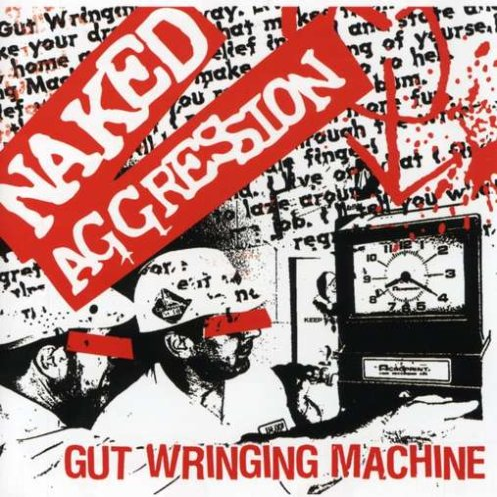
 View Artist