Song Meaning
The lyrics paint a stark contrast between two lives, framing one as a personal triumph and the other as a cautionary tale. The narrator declares, "This is your nightmare, this is my life," immediately establishing a defiant stance. They embrace instability, suggesting it's a deliberate choice that fuels their existence, a direct counterpoint to the perceived misery of the other person's situation. This opening sets a tone of aggressive self-validation against an unnamed antagonist.
The central tension arises from a fundamental disagreement on what constitutes a "good life." The antagonist, who pursued wealth, now finds themselves "all alone," a state the narrator explicitly rejects. Conversely, the narrator, despite lacking money, claims to possess "excitement" and "friends," framing their own existence as richer and more fulfilling. This isn't just a difference in circumstances; it's a philosophical divide where material gain is seen as a corrupting force, leading to isolation and a loss of core values.
The most striking aspect is the narrator's relentless repetition of "Never, Never" and the accusation that the antagonist has become a "boring asshole." This phrase, used multiple times, underscores a deep-seated fear of conformity and a fierce commitment to maintaining a rebellious spirit. The lyrics suggest the antagonist has "lost your ideals and gave up the fight," becoming "jaded" and settling into a predictable, uninspired existence. The narrator, however, positions themselves as an eternal warrior, "fighting the confines of society" and "in it for life."
Ultimately, the effectiveness of these lyrics lies in their raw, almost aggressive declaration of self-worth. The narrator doesn't just claim happiness; they actively define the antagonist's life as a failure by their own metrics. The blunt language and unwavering conviction create a powerful, albeit narrow, vision of freedom found not in comfort or wealth, but in perpetual struggle and chosen isolation from societal norms.
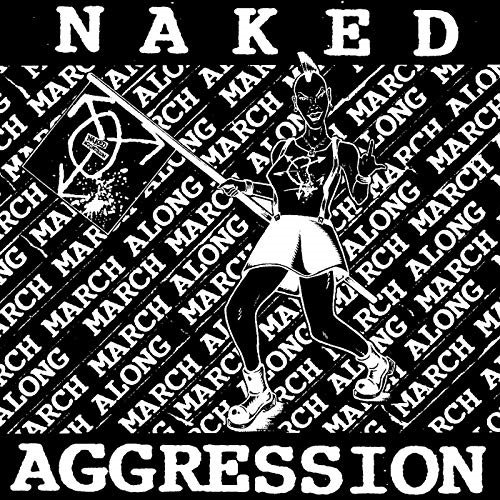
 View Artist