Song Meaning
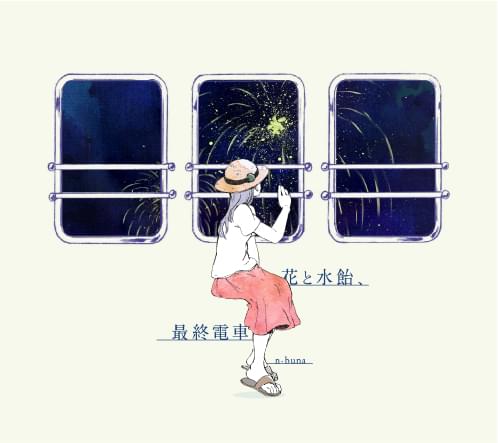
The lyrics paint a picture of quiet resignation and a deep, almost passive observation of the world. The narrator expresses a lack of strong desires, stating "I don't really want to do this" and "I don't convey that I want to do that." Their primary hope is simple: "I just hope we can meet again tomorrow." This sets a tone of gentle melancholy, where the narrator spends their time drawing, perhaps as a way to process or escape the present reality. The imagery of fireworks fading suggests the end of a season, and with it, a potential disruption to their current outlook, though they acknowledge a pre-existing awareness of this fragility: "I already knew how it would turn out anyway."
The central tension arises from a profound sense of loss, specifically the disappearance of a significant person from the narrator's "view above." This absence is so impactful that it renders the present moment, and any future perception, seemingly impossible to grasp: "It's impossible for it to be reflected in our eyes anymore." The act of remembering becomes a way to bridge this void, a process that continues until the memory itself fades or is revisited. The recurring phrase "On the anniversary, I was drawing the sky" anchors this grief to specific, poignant moments, linking it to sensory details like "jasmine, lingering summer, distant wind and clouds."
The most striking aspect of the craft is the persistent, almost compulsive, act of looking at the sky. Even when trying to block it out, the narrator sees through their closed eyes, leading to the repeated declaration, "I keep looking at the sky." This isn't a hopeful gaze, but one born from an inability to look away from what remains after someone is gone. The lyrics suggest a struggle with memory and presence, where the sky becomes a canvas for what is lost and a constant reminder of absence. The shift from "I already knew how it would turn out" to "I already noticed how it would turn out" subtly alters the narrator's agency, implying a deeper, perhaps more painful, understanding of the inevitable.
This lyrical approach is effective because it grounds profound emotional pain in understated, everyday actions and observations. The quietude of drawing and sky-gazing contrasts sharply with the implied depth of grief. The lyrics don't demand an outward expression of sorrow but instead capture the internal experience of living with absence. The final realization, "We have no choice but to live on," emerges not from strength, but from the sheer impossibility of succumbing to despair, a sentiment reinforced by the image of the "summer-ending sky" remaining blue, compelling them to "just live on today."
 View Artist