Song Meaning
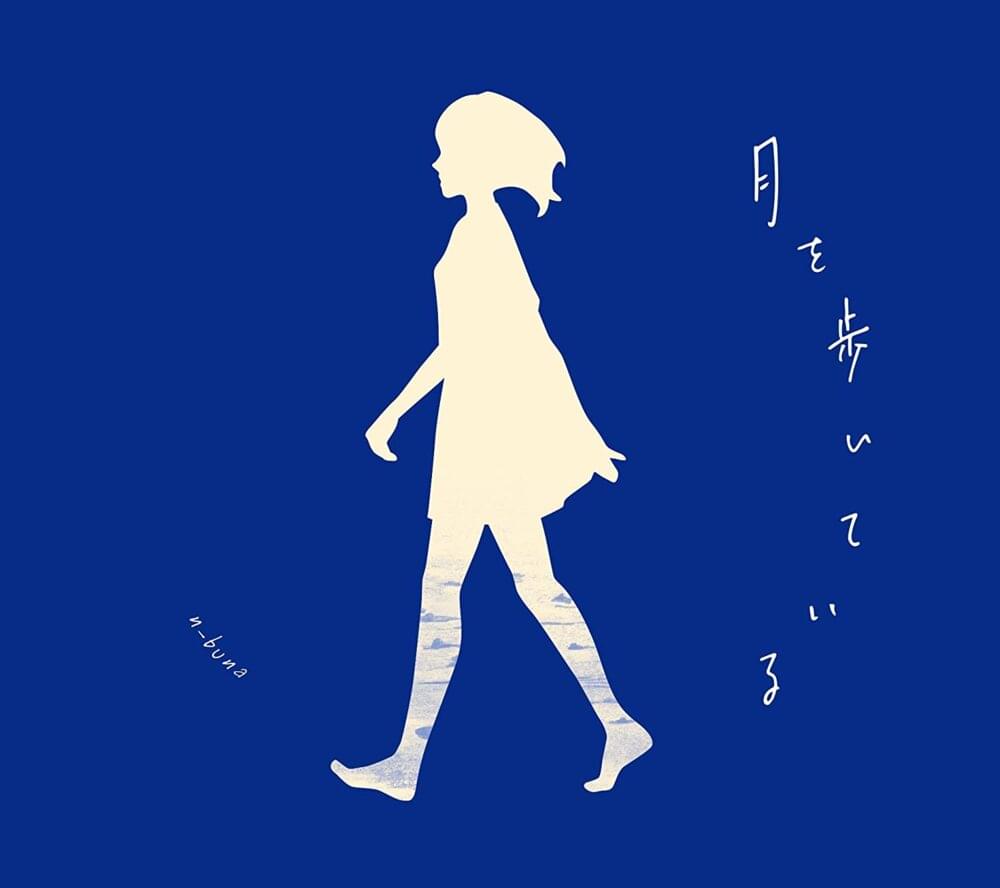
The lyrics paint a picture of someone on the moon, a place of cold detachment, observing the arrival of spring on Earth. There's a palpable sense of longing and a desire to escape the mundane, questioning where adulthood will lead and dreaming of places beyond the ordinary. The narrator feels a disconnect, as if falling from grace or a state of innocence, wondering what they might become if they could just remain in this suspended, dreamlike state.
The central tension lies in the contrast between the desire for stasis and the inevitability of change and the passage of time. The moon becomes a sanctuary where the narrator can ignore earthly judgments and problems, pretending not to hear what's wrong or who's to blame. This isolation, however, breeds a different kind of existential dread, questioning how one should live and how one should cry when stripped of external validation and connection.
The repeated phrase "このまま" (kono mama - like this/as it is) is the lyrical anchor, emphasizing a desperate wish to freeze time and avoid the complexities of life and growth. The moon's silence, where voices cannot be heard, amplifies this internal struggle. The narrator grapples with how to express emotion and connect with a "you" who exists in memory or imagination, particularly after waking from this lunar dream.
Ultimately, the effectiveness of these lyrics stems from their melancholic portrayal of escapism and the quiet desperation it breeds. The moon serves as a powerful metaphor for emotional distance and a place to process difficult feelings away from the world. The repeated yearning for a static existence highlights the pain of growing up and the fear of losing oneself in the process, leaving the listener with a profound sense of introspective solitude.
 View Artist