Song Meaning
The lyrics paint a picture of two individuals, possibly named Gretel and a companion, lost in a metaphorical forest, having forgotten how to find their way or even how to be happy. They recall a strange house and a stolen wallet, suggesting a past of desperation that numbed their emotions. The narrator's companion, addressed as Gretel, is told that their forced bravery doesn't suit them, implying a shared vulnerability and a need for genuine emotional expression, even if it means crying. The promise of a beautiful moon rising tomorrow offers a glimmer of hope, a shared fantasy of taking over the world.
The central tension lies in the characters' detachment from reality and their own feelings, contrasted with a yearning for something more. They've forgotten how to return, how to create happiness, and their emotional 'temperature' has vanished, replaced by a hollow existence. The stolen wallet and a stolen lamp, used for warmth and reading, highlight a life lived on the fringes, yet these stolen items also become sources of comfort and shared experience, blurring the lines between transgression and survival.
The most striking craft element is the recurring motif of forgetting and the subsequent rediscovery of essential things. They've forgotten how to get back, but also how to be happy. Later, they find a 'heart' by discarding all other emotions and concepts. The dialogue, particularly the repeated "それでもいいよ" (Sore demo ii yo - "That's okay too"), acts as a mantra, accepting their current state while simultaneously hinting at a future possibility of finding their way or their true selves.
This writing is effective because it grounds abstract emotional states in concrete, albeit surreal, imagery. The idea of a stolen wallet providing warmth or a stolen lamp illuminating a picture book creates a poignant, almost childlike, sense of survival and shared intimacy amidst hardship. The shift from a desire to 'take over the world' to finding a 'heart' by discarding everything else suggests a profound internal transformation, moving from external conquest to internal discovery. The final lines, offering a vision of spring for the world, even if Gretel is alone or the narrator is absent, underscore a complex mix of hope, acceptance, and perhaps a bittersweet acknowledgment of individual paths.
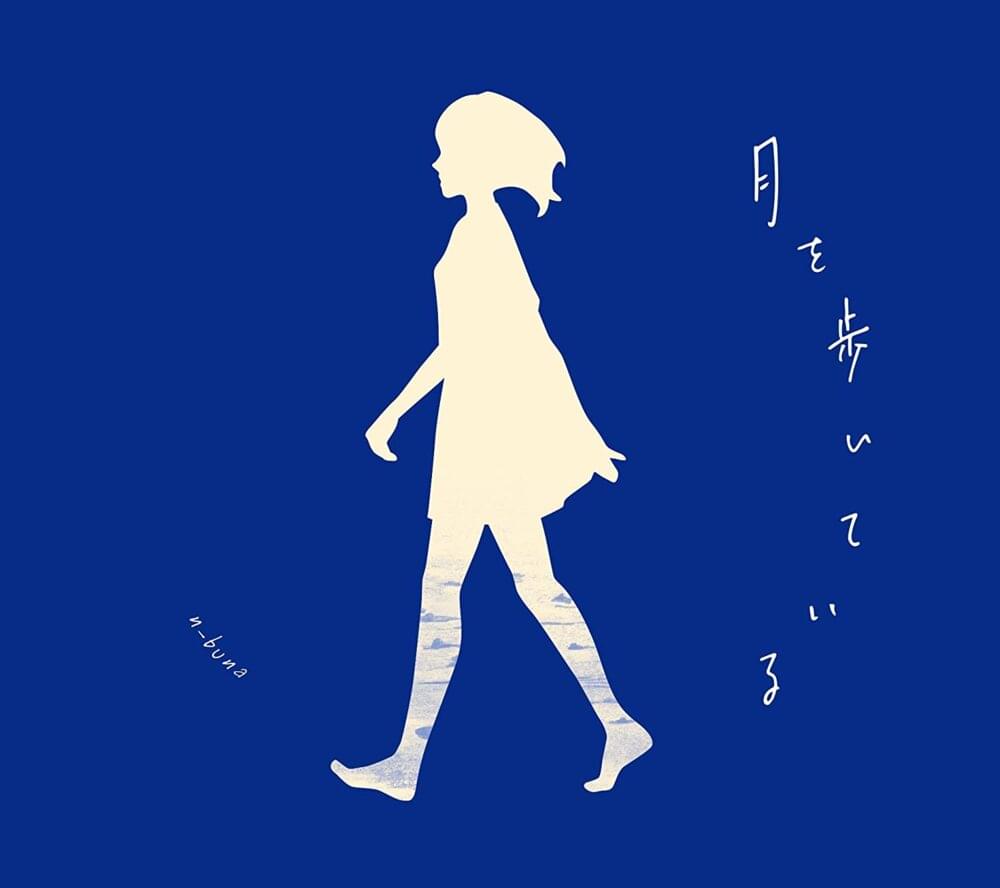
 View Artist