Song Meaning
The lyrics paint a picture of someone lost in their own world, so captivated by the "faint moon" they can't see their own missteps. This leads to a cycle of falling, being unaware, and then pretending not to notice being laughed at. The dominant tone is one of melancholic aimlessness, a feeling of being stuck and unable to find direction, underscored by the repeated imagery of not seeing what's right in front of them.
The central tension arises from a deep-seated dissatisfaction and a desire to escape. The narrator feels overwhelmed by things they dislike, to the point of wanting to flee to the "other side of the earth" or a "deserted station." This yearning for distance is intertwined with the memory of a comforting presence, a "hand that isn't cold," which seems to recede as the narrator looks down, suggesting a painful connection to this person that is strained by their own internal struggles.
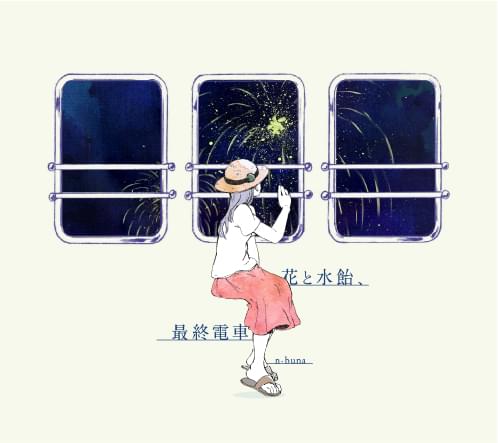
A striking element is the recurring motif of "summer not coming." This isn't just about the season; it seems to represent a lost potential, a vibrant period of life that never arrived or has passed without being experienced. The narrator draws a "song without form" and paints a "summer that never came," contrasting with the "fire flowers blooming last night" and the "fireflies at dawn." This juxtaposition highlights a yearning for beauty and ephemeral moments that feel just out of reach or are fading away.
Ultimately, the effectiveness of these lyrics lies in their delicate portrayal of internal paralysis and longing. The imagery of blurred stars, a "water-reflected flower," and the "faint moon" creates a hazy, dreamlike atmosphere that mirrors the narrator's own clouded perception. The repeated desire for a "hand that isn't cold" and the plea for "dawn's fireflies" evoke a powerful sense of seeking solace and a fleeting moment of clarity amidst a persistent, internal twilight.
 View Artist