Song Meaning
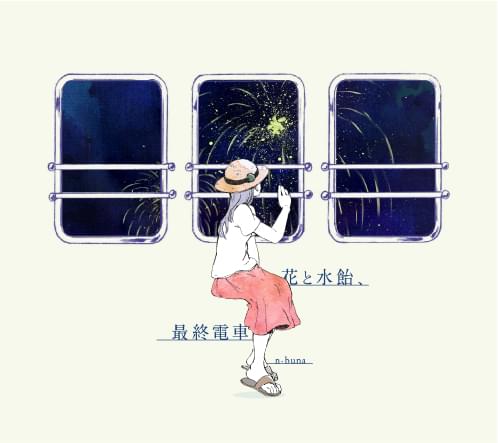
The lyrics paint a picture of a city alive with a festival-like energy under a blue night sky, where a rocket, a symbol of aspiration, takes shape before the narrator's eyes. This moment feels like a potential launchpad, a chance to finally "fly." Yet, this initial sense of possibility is immediately contrasted with a deep-seated inertia. The narrator admits to only talking about things they want to do tomorrow, while their companion "flies them into the sky," suggesting an external force or encouragement that the narrator themselves doesn't feel capable of initiating.
The core tension lies between the desire for escape or change and a profound lack of will or direction. The narrator confesses, "I don't have anything I want to do," and even admits to "still trying to die today." This stark self-assessment is juxtaposed with the companion's seemingly effortless ability to "fly" them upwards, highlighting the narrator's internal struggle against their own apathy. The recurring phrase "August star" (オーガスター) acts as a poignant, perhaps aspirational, but ultimately distant or unattainable ideal.
A striking element is the imagery of a found letter with a white flower, hinting at a past attempt at connection or a planned journey that the recipient likely wouldn't notice. The letter's author, like the narrator, seems to be facing a similar quiet despair, setting a letter aside for a "night festival" they expect to go unnoticed. This parallel reinforces the narrator's feeling of isolation and the melancholic recognition of shared, unfulfilled desires, or perhaps the inability to even articulate them.
The lyrics' emotional power stems from this raw depiction of internal paralysis against a backdrop of external vibrancy and encouragement. The repeated motif of a "ten-second goodbye" that ignites a fire, followed by the assertion that "there's surely nothing I want to do," creates a cycle of fleeting resolve and immediate resignation. It's this cyclical, almost self-defeating pattern, underscored by the distant "August star," that makes the narrator's struggle feel so palpable and achingly real.
 View Artist