Song Meaning
This song opens with a stark declaration of departure, "Iste gidiyorum çeşmi siyahım" – I am going, my dark-eyed one. Despite the potential for insurmountable obstacles, "Önümüze dağlar sıralansa da" (even if mountains line our path), the narrator's sole possessions are their sorrow and laments. This sets a tone of profound, almost defiant, resignation to a fate that seems predeterminedly bleak, as their luck darkens along with their spirit.
The central tension lies in the narrator's feeling of abandonment and their subsequent, almost masochistic, embrace of suffering. They express a desire to wander "viran bağlarda" (in ruined vineyards), a landscape mirroring their own desolation, even if it means their feet are "kiralansa da" (rented out) to paradise. This suggests a profound disconnect from conventional happiness, finding a strange solace or purpose in their pain and isolation, a space where their grief can be freely expressed.
The lyrics employ vivid, almost paradoxical imagery to convey this emotional state. The narrator claims their only capital is their sorrow, "Sermayem derdimdir servetim ahım," and that their fate darkens as their luck does. Later, they speak of tying their soul to a lover's tresses, "Bağladım canımı zülfün teline," only to be left to the gossip of others, "Sen beni bıraktın elin diline." This contrast between intimate connection and public scorn highlights the depth of their betrayal and the public nature of their private suffering.
What makes these lyrics so potent is their unflinching portrayal of a soul adrift in sorrow, finding a peculiar strength in its very depths. The narrator doesn't just lament; they actively choose to inhabit their pain, transforming it into their only currency and their chosen landscape. The juxtaposition of intimate devotion with abandonment, and the embrace of ruin, creates a powerful, melancholic resonance that feels deeply personal yet universally understood in its expression of heartbreak.
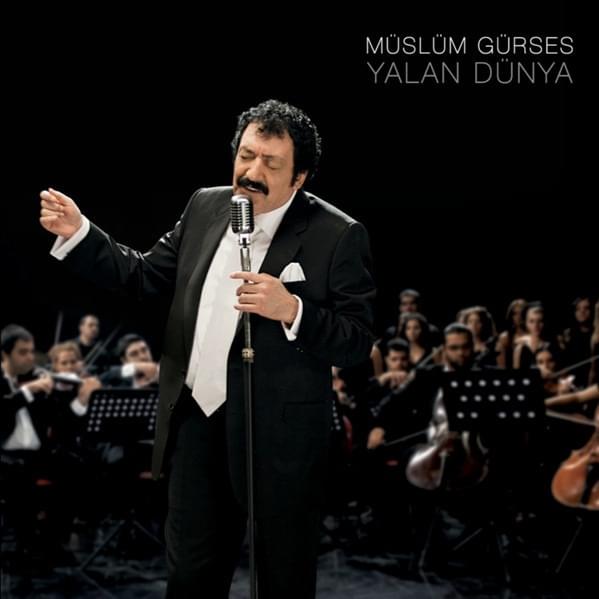
 View Artist