Song Meaning
This track opens with a stark, repetitive declaration: "Oy dünya yalan dünya / Yalan, yalan, yalan dünya." It immediately sets a tone of profound disillusionment, framing the world as inherently deceitful. The initial lines aren't just a statement; they're an incantation, a lament that the world's promises are hollow.
The lyrics then pivot to legendary tales of love and devotion, referencing figures like Mecnun and Leyla, Kerem and Aslı, and Ferhat and Şirin. These are stories where intense passion often leads to suffering or tragedy. The narrator's plea, "Arzu'yu kamber'e vereydin ya" (If only you had given Arzu to Kamber), suggests a desire for a different outcome, a world where these epic loves don't end in pain, further emphasizing the world's failure to deliver on its supposed grand narratives.
The core of the song's critique lies in the world's capricious nature and its indifference to suffering. The narrator observes, "Kimisini ağlatırsın / Kimisini güldürürsün" (You make some cry / You make some laugh), highlighting a random, unfair distribution of fortune. This is followed by the poignant "Genç yaşlarda öldürürsün" (You kill in young ages), a direct accusation of the world's cruelty. The desperate wish, "Ölüme çare bulaydın ya" (If only you had found a cure for death), underscores a yearning for a world that offers solace and justice, rather than arbitrary hardship.
The writing masterfully uses repetition to hammer home its central theme. The phrase "Yalan dünya" acts as a refrain, a constant reminder of the narrator's core belief. This isn't just a passing thought; it's the lens through which everything else is viewed. The contrast between the world's vastness ("Dağların var yüce yüce / Yaylaların koca koca" – You have high mountains / You have vast plateaus) and its failure to provide peace or fairness ("Sulh içinde olaydın ya" – If only you were in peace) amplifies the sense of disappointment. The lyrics suggest a world that possesses great potential but consistently fails to live up to it, leaving the narrator with a bitter taste and a profound sense of betrayal.
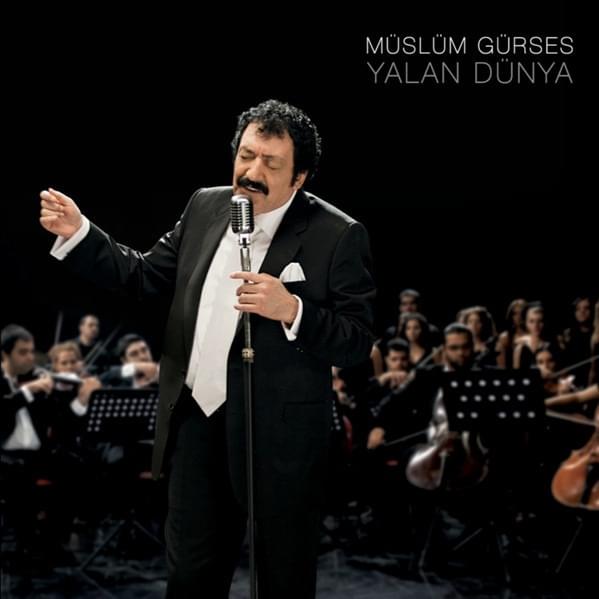
 View Artist